Hey there, if you’ve ever walked past a construction site, a landscaping job, or even a backyard tree removal project and spotted that big, rugged machine chomping through branches like they’re potato chips—chances are that’s a wood crusher. I’ve been selling these things for over 8 years now, and let me tell you, the number one question I get from new buyers isn’t “how much does it cost?” It’s “do I need professional skills to run this thing?” Wood Crusher
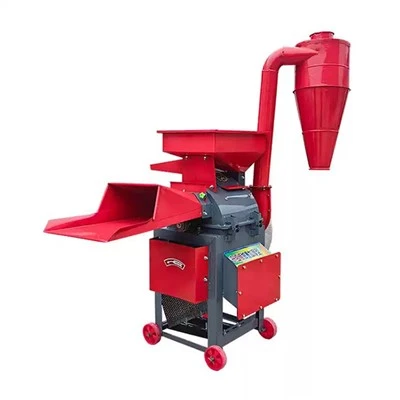
I totally get why that’s the first thing on your mind. When you look at a wood crusher—all those metal parts, the heavy-duty feed chute, the loud engine—it’s easy to feel a little intimidated. A lot of people assume you need some fancy machinery degree or years of hands-on experience just to turn the key and start it up. But here’s the truth I’ve seen play out hundreds of times: it depends on how big your crusher is, what you’re using it for, and how much time you’re willing to put into learning.
First off, let’s break down the two main types of wood crushers I sell—because that’s the biggest difference when it comes to skills needed. We’ve got the small, portable ones, the kind that look like a beefed-up lawnmower engine with a feed hopper, perfect for residential landscapers, farm owners with a few trees to trim, or even people clearing overgrown brush on their own property. Then there are the heavy-duty, stationary units, the ones you see on big construction jobs or wood processing facilities, the ones that take up half a truck bed and can chunk through 10-inch logs like they’re kindling.
For the small portable models? I’ve sent these out to people with zero prior machinery experience, and 9 times out of 10, they’re crushing wood by the end of the first hour. Wait, let me clarify—“zero prior” doesn’t mean “zero common sense.” We give every buyer a 30-minute hands-on training call before their machine even ships, plus a printed guide that’s less like a textbook and more like a list of do’s and don’ts (no sticking your hand in the feed chute, that’s a big one). Most small crusher operators I work with are part-timers: a landscaper who uses theirs on weekends, a farmer who turns brush into mulch for their fields, a homeowner who just had some old oaks taken down and wants to get rid of the branches without paying a chipper service.
But even with the small ones, there are a few basic skills you don’t want to skip. You don’t need a certification, but you do need to be able to follow safety protocols, which honestly are just common sense for any power tool. For example: knowing how to lock the crusher when you’re clearing a jam (pro tip—never reach into the feed chute while it’s running, that’s how people get hurt). Knowing how to adjust the size of the mulch coming out, which is just turning a couple of dials, no engineering degree needed. A lot of people pick this up in 10 minutes of watching the training video we send, then mess around with different settings on a pile of small branches until they get the mulch size they want.
Now, the heavy-duty stationary units? That’s where things change a little. These are for full-time operations: big tree removal companies, lumber yards, places that process tons of wood waste every day. With these, you might need a little more than just the basic common sense. Not because they’re impossible to run, but because there’s more to maintain, more parts to check, and way more at stake if something goes wrong. If you’re running a 5,000-pound crusher that throws mulch 20 feet, a breakdown mid-job can cost you thousands in lost time. So for these, a lot of our regular buyers have one full-time operator who’s spent a few hours training with our team, and maybe a side helper who knows the basics just in case. But I’ve also had small construction crews pick up a heavy-duty unit and train their lead guy over a long weekend—no professional skills, just focused learning.
Here’s the thing that surprises a lot of new buyers: most of the “professional skills” people talk about with wood crushers aren’t special skills at all. They’re just basic training that’s included when you buy from us. I’ve had a guy come in last year who runs a small landscaping business, bought our top-of-the-line portable crusher, and texted me a photo of himself with a pile of mulch an hour after delivery. He said he was nervous because he’d never operated anything bigger than a chainsaw, but the training video and the quick call from our team made it click. On the flip side, I had another customer a few years back who tried to skip the training, thought he could figure it out on his own, and jammed the crusher with a thick log that broke the feed chute. That ended up costing him way more than the training would have.
Wait, let’s also talk about what you don’t need. You don’t need to know how to fix every part of the crusher if something breaks. That’s what we’re here for—our tech support team is available 24/7 for our buyers, and most small issues can be fixed with a quick phone call, no mechanic needed. I’ve had customers send me a video of a weird noise, and I’ll walk them through checking a belt or clearing a small jam, and it’s fixed in 5 minutes. The only time you’d need professional repair skills is if you’re running a crusher that’s way too big for your operation, and even then, our team can help you connect with local certified techs at a fair price.
Another angle: what happens if you do run a wood crusher with no skills? Let’s be real—you might get a jam, or make mulch that’s too big, or even have a small safety issue, but that’s why we teach you how to avoid that stuff. It’s not like you’re operating a rocket ship. The biggest mistakes I see new operators make are not reading the safety guide, not clearing jambs properly, and trying to crush wood that’s way too big for their machine. For example, don’t take a 12-inch log and try to shove it into a small portable crusher—just cut it into smaller pieces first, that’s a common mistake. Fixable, and easy to learn if you pay attention.
Now, who does need a little more training? If you’re planning on running a crusher 8 hours a day, every day, for months on end—like a full-time wood processing business—then yeah, you might want to set aside a day or two for extra training. Our team offers on-site training for big operations, where we’ll come to your job site, walk you through every part of the crusher, how to do routine maintenance, how to handle big loads, and how to troubleshoot the most common issues. That’s not “professional skills” though—that’s just getting comfortable with the machine, same as you’d get comfortable with a new work truck.
I think the biggest myth out there is that wood crushers are these super complicated machines that only experts can run. The reality is, they’re designed to be user-friendly, especially for small to medium operations. We build our crushers with operators in mind—big controls, clear labels, safety features that shut the machine down if something’s wrong. You don’t need a engineering degree, you don’t need a ton of experience, you just need to be willing to learn the basics, follow the safety rules, and ask questions if you get stuck.
Let me give you a quick example from last month: a guy named Mike owns a small tree service company in Ohio. He’d been using a chipper service for all his wood waste, paying them $500 a load every week, and decided to buy one of our mid-sized portable crushers to save money. He called me panicking a week before delivery, saying he had no idea how to run it, had never operated any heavy machinery. I walked him through the training video, did a quick 15-minute call with him the night before it arrived, and when he texted me a photo two days later, he had a whole pile of mulch and said he’d already crushed three loads of brush. He told me he makes back the cost of the crusher in two months just by not paying the chipper service, and he only spent a total of an hour learning how to run it. That’s the kind of story I hear all the time.
Now, before you go thinking “oh, I don’t need any training at all”—let’s get one thing straight. There is no such thing as zero skills when it comes to operating any heavy equipment safely. That goes for a lawnmower, a truck, and definitely a wood crusher. But the skills you do need are basic, and we give them to you for free when you buy from us. It’s not about being a professional—it’s about being careful, paying attention, and taking the time to learn how your specific crusher works.
So to circle back to the original question: do you need professional skills to operate a wood crusher? The short answer is no, not if you’re buying the right size for your needs and taking the time to go through our training. The long answer is that a little basic, free training from our team is all you need to start crushing wood safely and efficiently. If you’re running a big, full-time operation, then a little extra on-site training can make things easier, but even then, it’s not rocket science.
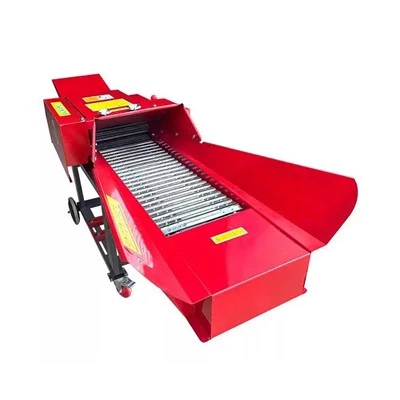
At the end of the day, I’ve sold hundreds of wood crushers, and every single one of our customers—from the residential homeowner clearing their backyard to the big tree service companies—learns how to run theirs without a fancy degree. The key is picking the right crusher for what you need, not overcomplicating it, and taking advantage of the free training we offer.
Chaff Cutter If you’re thinking about buying a wood crusher and still have questions about what size is right for you, how much training you’ll need, or anything else, feel free to reach out and talk through your needs. We’re here to help you get set up with the right machine and the support you need to start crushing wood without the stress. Let’s chat about how we can make your wood waste problem disappear for good.
References
- Occupational Safety and Health Administration (OSHA). (2022). Powered Industrial Trucks, Cranes, Hoists, and Conveyors Safety Guidelines. U.S. Department of Labor.
- National Ag Safety Database (NASD). (2021). Safety Guidelines for Portable Wood Chippers and Crushers. The National Center for Farmworker Health.
- European Machinery Manufacturers Association (EMMA). (2023). User Training Requirements for Small Agricultural and Landscaping Wood Processing Equipment. EMMA Technical Report.
- U.S. Environmental Protection Agency (EPA). (2022). Benefits of On-Site Wood Waste Reduction for Landscapers and Small Businesses. EPA Waste Reduction Program Report.
Zhengzhou Xinyihaotong Machinery Manufacturing Co., Ltd.
As one of the most professional wood crusher manufacturers in China, we also support custom service. We warmly welcome you to buy high quality wood crusher for sale here from our factory. For price consultation, contact us.
Address: Rooms 2301–2312, Jiayi Building, Xinxiang City, Henan Province, China
E-mail: zhaoyixuan5566@gmail.com
WebSite: https://www.xyhtmachinery.com/
