If you’ve ever wondered how much a titanium block costs, you’re not alone. As a titanium block supplier who’s been in the game for over a decade, I get asked this question at least a dozen times a week—from aerospace engineers sourcing high-strength components to medical device makers needing biocompatible raw material, and even automotive parts teams experimenting with lightweight structures. The truth is, there’s no one-size-fits-all answer, and that’s intentional. Titanium isn’t a commodity like steel or aluminum; its value comes from its unique properties, which vary based on grade, manufacturing method, size, and quantity. Let me break down what actually shapes the cost of a titanium block, and why it matters for anyone looking to work with it. Titanium Block
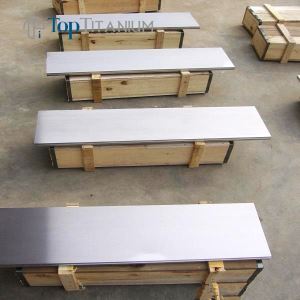
First, let’s start with the basics: what a titanium block is, for those who might not be in the know. A titanium block is a solid, rectangular (or sometimes custom-shaped) piece of titanium, typically forged or machined from ingots. Unlike titanium sheet or bar, blocks are heavy-duty, used for parts that need to withstand extreme stress, corrosion, or temperature swings. Think of jet engine blades, orthopedic implants like hip replacements, or offshore oil rig components that face saltwater and harsh conditions. That durability is why titanium is worth the investment—but the cost of getting that block into your hands depends on a few key factors.
Grade is the biggest driver of cost. Not all titanium is created equal. The most common grades are Grade 1 through Grade 5, each with different strength, corrosion resistance, and workability. For example, Grade 1 is the purest form (99.5% titanium), soft and ductile, used for things like chemical processing equipment. It’s relatively affordable compared to higher grades. Then there’s Grade 5, also known as Ti-6Al-4V, which is a titanium alloy with 6% aluminum and 4% vanadium. This is the workhorse for aerospace and medical applications because it’s twice as strong as pure titanium, yet still lightweight. Grade 5 can be 30-50% more expensive than Grade 1, and specialty alloys like Grade 23 (a medical-grade variant of Ti-6Al-4V) or Ti-10V-2Fe-3Al used in high-stress aerospace can push costs even higher—sometimes double that of Grade 5.
Why the difference? Pure titanium is mined, processed into sponge, and melted into ingots with less refinement. Alloys require adding precise amounts of other metals, which adds steps to the manufacturing process. Also, specialty alloys have stricter quality controls, especially for medical or aerospace use, where even a tiny impurity can lead to part failure. That’s not a box we can check quickly; every block has to go through rigorous testing to meet industry standards like ASTM (American Society for Testing and Materials) or ISO, which adds time and cost.
Next, manufacturing method. Titanium blocks aren’t just cut from a solid piece of metal—they’re made from ingots, which are then forged, extruded, or machined into the final shape. Forging, where the ingot is heated and pressed into shape, is common for high-strength blocks because it aligns the metal’s grain structure, making it more resistant to stress. But forging requires heavy machinery, skilled labor, and precise temperature control (titanium reacts with oxygen if heated too hot, so the process has to be done in a vacuum or inert atmosphere). That’s more expensive than machining a block from a large ingot, though machining can generate more waste—up to 50% of the ingot might be removed during machining, which adds to the cost because that scrap is often only worth a fraction of the original material.
Size and quantity also play a role. A small, 1x1x1 inch titanium block will cost less than a 12x12x12 inch block, simply because more material goes into the larger piece. But it’s not just raw material weight; larger blocks require bigger ingots, which are harder to produce and transport. A 500-pound ingot is manageable, but a 5,000-pound ingot needs specialized melting equipment and heavy-duty shipping, which adds to the price. Quantity works the other way, too: if you’re buying 1 block, you’ll pay a premium for setup and handling, but if you’re ordering 100 blocks, we can roll out the manufacturing process more efficiently, cutting per-unit costs by 15-25% depending on the grade and size.
Then there’s the current market price of titanium sponge. Titanium starts as sponge, a porous material made from processing titanium ore (like ilmenite or rutile) through the Kroll process, which reduces the ore into pure titanium metal. The price of titanium sponge fluctuates based on global supply and demand. In recent years, aerospace demand has boomed, plus growth in medical devices and electric vehicle lightweighting, which has pushed sponge prices up. That’s a big part of why titanium block costs have risen steadily since 2020. For example, in 2019, Grade 5 titanium sponge was around $3 per pound; today, it’s closer to $5-$6 per pound. Multiply that by the amount of sponge needed to make a block, and you can see how raw material costs directly impact the final price.
Wait, but let’s get to numbers that matter. As a supplier, I don’t just quote a single price—we work with customers to tailor to their needs. For a small, low-volume order of Grade 1 titanium block, the price might be around $15-$25 per pound. For Grade 5, that jumps to $25-$40 per pound, and for specialty Grade 23 medical blocks, it’s $40-$60 per pound. But those are rough estimates for small quantities. If you’re ordering large volumes (say, 1,000+ pounds) of Grade 5, we can often get that down to $20-$30 per pound, depending on size and shape.
It’s important to note that these are base prices, not including shipping, custom machining, or certifications. For example, if you need a block with a polished surface instead of a rough mill finish, that adds $2-$5 per pound. If you need a mill test report (MTR) for every block—something required for aerospace or medical parts—that’s a small fee, but it’s non-negotiable for regulated industries. Also, international shipping can add 10-20% to the cost, so local sourcing (like working with a domestic supplier) is often more cost-effective for urgent orders.
A common mistake I see customers make is comparing titanium block prices to steel or aluminum blocks. That’s unfair. Steel is around $0.50-$2 per pound, aluminum is $1-$3 per pound, so titanium is more expensive, but it offers 2x the strength of aluminum and corrosion resistance that neither steel nor aluminum can match. For example, a titanium block used in a marine application won’t rust, unlike steel, and it’s lighter than both, which saves fuel costs in aerospace or EVs over time. So the upfront cost is offset by longer part life, lower maintenance, and better performance.
Now, as someone who’s been in this industry for years, I’ve seen how customers sometimes get sticker shock, especially when they’re used to cheaper materials. That’s why we always take the time to explain the value. For a medical device maker, a $50 titanium block is worth it because it will be implanted in a patient’s body for 10+ years without corrosion or rejection, whereas a steel block would corrode and require replacement. For an aerospace company, the weight savings from titanium reduces fuel costs over the lifetime of a plane, which adds up to millions of dollars. It’s not just a metal—it’s an investment in durability and performance.
I also want to mention quality control, because that’s where many unethical suppliers cut corners. Some vendors might sell a “titanium block” that’s actually a mix of titanium and cheaper metals, or use lower-grade titanium that doesn’t meet industry standards. At our company, every block is tested for purity, strength, and chemical composition before it leaves our warehouse. We offer full MTRs, non-destructive testing (NDT) for large blocks, and we work with customers to make sure their blocks meet exactly the specs they need—no compromises.
So, if you’re in the market for a titanium block, what should you do next? First, figure out your key requirements: what grade do you need? What size? How many do you need? Do you need custom machining or certifications? Those details will let us give you an accurate quote. As a supplier, we’re here to walk you through every step—whether you’re a small startup testing a prototype or a large corporation with annual orders. We don’t do one-size-fits-all pricing because your project deserves tailored support.

At the end of the day, the cost of a titanium block isn’t just about the metal itself—it’s about the science, the manufacturing, the quality control, and the value that titanium brings to your part. If you’re ready to talk through your project, we’re here to help you get the right block at a fair price.
Anodes for Electrolytic Sodium Hypochlorite References:
- ASM International. (2021). Titanium: Properties and Applications. ASM Handbook Volume 2: Properties and Selection: Nonferrous Alloys and Special-Purpose Materials.
- Titanium Industry Association. (2023). Global Titanium Sponge Market Report.
- ASTM International. (2022). Standard Specification for Titanium and Titanium Alloy Bars and Billets (ASTM B348).
- Medical Device Manufacturers Association. (2022). Biocompatibility Standards for Titanium Implants.
- Aerospace Industries Association. (2023). Lightweight Materials in Commercial Aircraft Manufacturing.
Baoji Top Titanium Industry Co., Ltd.
As one of the most professional titanium block manufacturers and suppliers in China, we’re featured by quality products and good price. Please rest assured to buy bulk titanium block in stock here and get quotation from our factory. Customized orders are welcome.
Address: No. 2, South Section Of Phoenix 2nd Road,High-Tech Zone, Baoji,Shaanxi, China (Mainland)
E-mail: sales@bjtopti.com
WebSite: https://www.china-topti.com/
