If you’ve ever stepped into a villa elevator that feels like an afterthought—scratched metal, plain gray panels, a door that just blends into the wall—you know how easy it is to overlook a detail that ties the whole home together. As a villa elevator supplier who’s spent 12 years walking clients through their custom build or renovation, I’ve lost count of how many people brush off elevator door design as “unnecessary luxury”… until they see what’s possible. Villa elevators aren’t just a utility to move between floors; they’re a constant, daily part of your home’s flow, and their doors are the first thing you see when you step in or out. The good news? You don’t have to choose between functionality (fire safety, structural integrity, ease of use) and decorative appeal for your villa elevator doors. Let’s break down the options, the facts behind why they work, and how to pick something that feels like yours. Villa Elevators
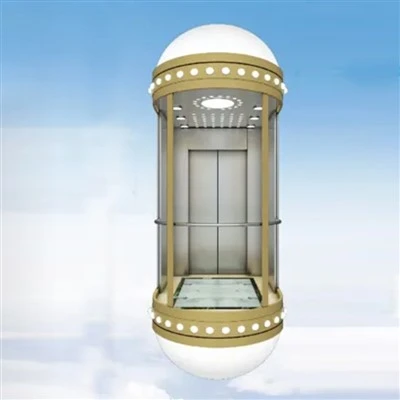
First, it’s important to ground this in a non-negotiable: villa elevator doors have strict safety and performance standards, far beyond commercial elevators, because they’re tailored to private use, often in luxury homes where accessibility, durability, and quiet operation are non-negotiable. Every decorative layer has to adhere to ISO 22559, the global standard for passenger elevators, and also local building codes for fire resistance, wind load (for multi-level homes), and ease of maintenance. I’ve seen clients fall in love with a decorative material only to hit a wall because it couldn’t pass a 30-minute fire retardancy test for core panels—so this isn’t just about pretty surfaces; it’s about adding style without sacrificing reliability. That’s the sweet spot we focus on as a villa elevator supplier: elevating design without compromising the core function that keeps your family safe and your elevator running for decades.
Let’s start with the most popular option, because it balances subtlety and customization without feeling over-the-top: finished metal panels. Most off-the-shelf villa elevators come with standard stainless steel doors, but there’s a world of finishes beyond the basic brushed steel. Let’s get specific here, not just “metal finishes” but the ones we actually install and what makes them work. Polished satin stainless steel is a middle ground—less fingerprint-prone than high-gloss, but still has that soft, luxurious sheen that pairs with modern, minimalist villa designs. For traditional homes, we offer gunmetal gray stainless steel: it’s not the cold silver you’d see in a commercial building, it has a warm, deep tone that complements walnut cabinetry and marble finishes. We also do brushed brass accents, but here’s a tip: solid brass can tarnish over time, especially if your home has high humidity (near a pool or spa). So we always recommend a lacquered brass finish that seals the metal to prevent tarnishing, or for a low-maintenance alternative, stainless steel coated with a PVD (Physical Vapor Deposition) brass layer. PVD is a game-changer here—it’s not a paint or a sticker; it’s a molecular coating that’s scratch-resistant, UV-stable, and lasts 10+ years without fading. We tested this for a client in Palm Beach a few years ago, who put their elevator near their outdoor patio, and the PVD brass still looks as good as the day we installed it, after 7 years of sun exposure. That’s the science behind it that I always walk clients through—this isn’t just aesthetics; it’s choosing a finish that will hold up to your home’s unique environment.
Another metal option that’s growing in popularity right now for luxury villas: etched or custom laser-cut metal doors. This is for clients who want something truly unique, not just a standard finish. Laser cutting lets us etch anything from a family crest to a landscape that matches your villa’s surroundings, or subtle geometric patterns that tie into your interior design scheme. For a client in the English countryside last year, we etched each elevator door with a pattern of oak leaves, matching the woodwork throughout their 17th-century stone villa. The best part about laser-cut metal is that we can do it while still keeping the door’s structural integrity intact—we never cut through the core of the door, only the decorative outer layer, so it still meets all safety codes. If you’re worried about the cutouts being too delicate, we reinforce the edges with a hidden metal trim, so the door works just as smoothly as a standard stainless steel one. The only caveat here is that laser-cut doors are more custom, so lead times are 2-3 weeks longer than standard finishes, but most villa clients tell us it’s worth it to have a door that feels made for their home, not just plucked from a catalog.
If metal isn’t your vibe—say, your villa is warm, rustic, or leans into organic design—there are non-metal decorative options that still meet elevator safety standards. The most requested non-metal finish we offer is high-pressure laminate (HPL) doors. Modern HPL is nothing like the old cheap laminates from the 90s; it’s a compressed layer of paper and resin that’s bonded to a fire-rated core, and it comes in thousands of colors and patterns. You can get HPL that looks exactly like solid wood, which is perfect for traditional or rustic villas. We installed oak-veneer HPL doors for a client in Colorado, whose mountain villa is all exposed cedar and stone, and it blended so well with their main floor millwork that guests often didn’t notice the elevator door until they stepped up to it. HPL is also super durable—it’s scratch-resistant, stain-proof, and easy to clean, which is a huge plus for families with kids or pets. It’s also more budget-friendly than custom metal or stone, so it’s a great middle ground for clients who want warmth without the price tag.
Speaking of stone—yes, you can have stone elevator doors, and it’s stunning for high-end, ultra-luxury villas. We work with natural stone experts to create thin, lightweight panels of marble, travertine, or even engineered quartz that attach to the elevator’s core frame. The key here is thickness: natural stone can be heavy, so we use 6mm-thick marble, which is light enough to not put extra strain on the elevator’s motor, but thick enough to have that polished, elegant look. For a client in Manhattan’s Upper East Side, we did Calacatta marble elevator doors, matching the marble floors in their entryway. The effect is seamless—you wouldn’t know you’re stepping through an elevator door until it opens, because the pattern flows right from the hallway into the elevator. The science here is all about weight distribution: we use a hidden aluminum subframe that mounts to the elevator’s door track, so the stone panel is supported evenly and doesn’t shift or crack over time. We also seal the marble with a food-grade, non-toxic sealer, so it’s easy to wipe down and resistant to water spots. The only thing to note about stone doors is that they’re more high-maintenance than metal or HPL—you have to avoid acidic cleaners (like vinegar) that can etch the surface, so we always provide clients with a custom care guide when we install them.
One option that’s often overlooked for both style and functionality: glass elevator doors. This is perfect for villas that want to feel open and connected, or for homes with beautiful stairwells or views from the elevator. We use tempered safety glass, which is required for all elevator applications anyway, and we can customize it with a range of decorative treatments. Frosted glass is a classic—it gives you privacy while still letting light through, which is great for small or windowless elevator shafts. For a client in a hillside villa in Tuscany, we did clear glass doors with a custom etched border of grapevines, so when the elevator moves between floors, you get glimpses of the olive groves below. We also do laminated glass with interlayers—you can add a colored film, a pattern, or even a thin layer of fabric or art between the two glass panes, for a really unique, bespoke look. Last year, we installed glass doors with a thin linen interlayer for a minimalist villa in Malibu, and it filtered the sunlight just enough to make the elevator feel like a light, airy part of the home instead of a closed-off box. Glass is also great for accessibility—if you have family members with visual impairments, the clear panels let you see when the elevator is approaching a floor, which is a small, practical benefit that adds to the design.
Now, I know what you’re thinking: this sounds amazing, but how do I actually pick something that fits my home? After 12 years as a villa elevator supplier, I’ve developed a simple framework that I walk every client through, to make sure their elevator door choice works for both style and function. First, start with your home’s existing design palette. If your villa is modern with lots of concrete and black accents, a matte black PVD metal door will feel intentional, not out of place. If it’s a traditional French provincial villa with cream and gold details, a lacquered brass HPL door or etched marble door will complement that vibe. Second, consider the elevator’s location. If your elevator is in a high-traffic area near the front door or a playroom, go for something durable—PVD metal or HPL, which stand up to scratches and spills. If it’s in a private wing or a quiet hallway, you can lean into more delicate options like laser-cut metal or thin stone panels. Third, don’t forget about integration with the elevator’s control panel and call buttons. A decorative door should feel like part of a whole, not a separate piece. For example, if you have a walnut HPL door, you can get matching wooden control panels, so everything flows together seamlessly. I always bring samples of finishes to client meetings, instead of just showing them photos—nothing beats running your hand over a stainless steel vs. HPL panel to feel the difference.
I also want to address a common misconception: custom decorative elevator doors don’t have to add months to your project or blow your budget. As a villa elevator supplier, we have pre-approved finishes that are customizable, not just off-the-shelf. For example, our standard stainless steel doors come with 12 different PVD finishes, so you can pick a bronze, black, or even rose gold tone without waiting 6 weeks for a custom order. For clients who want something truly unique, we work with local artisans in each region—so if you’re in Florida, we work with a metal shop in Miami that does custom etched designs, cutting down on shipping time and communication delays. The key is to work with a supplier who’s familiar with both elevator safety codes and luxury home design, not just a generic elevator company that sees doors as an afterthought.
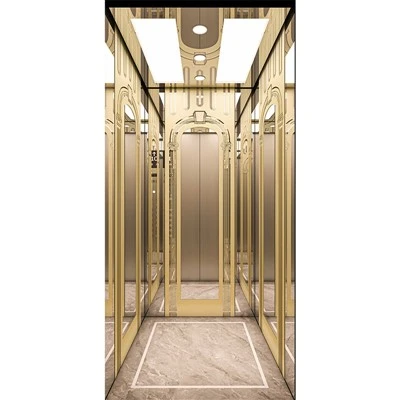
At the end of the day, your villa elevator doors are more than just a functional part of your home. They’re a daily touchpoint—you’ll see them every time you walk past the elevator, every time you use it to bring groceries up from the garage, every time you take your kids to their bedrooms. A decorative door that matches your home’s style isn’t a luxury; it’s a small, daily detail that makes your house feel like yours. If you’re planning a new villa build or renovating your current home and want to explore elevator door options that balance style, safety, and durability, I’m here to walk you through the process and help you find the perfect fit for your space. Don’t hesitate to reach out to discuss your project details.
Residential Elevators References
ISO 22559:2020, Passenger elevators – Safety requirements for construction and installation
National Elevator Industry, Inc. (NEII) Guide to Custom Elevator Design for Private Residences
International Residential Code (IRC) Section 3007, Elevator Safety and Installation Requirements
Physical Vapor Deposition (PVD) Coating Technical Report, Surface Engineering Association, 2022
Ningbo Dongao Elevator Co., Ltd.
As one of the most experienced villa elevators manufacturers and suppliers in China, we also support customized service. We warmly welcome you to buy high quality villa elevators for sale here from our factory. For quotation, contact us now.
Address: No. 16 Xiapan Road, Ninghai County, Ningbo City, Zhejiang Province
E-mail: 13777289058@163.com
WebSite: https://www.daelevator.com/
