Hey everyone, it’s Jake from your go-to CNG gas cylinder supplier, and today we’re cutting through the noise—let’s talk real risk assessments when you’re using these cylinders, no fancy jargon or generic safety manuals stuff, just the actual stuff we chat with our regular delivery drivers, small fleet owners, and even mom-and-pop gas station operators about every week. CNG Gas Cylinder

First off, let’s get one thing straight: I’m not here to scare anyone. CNG is way safer than old-school LPG in most ways, right? But like any compressed gas, it’s not something you can just leave lying around and forget about. As a supplier, we don’t just drop off cylinders and dip—we’re with you through the whole lifecycle, so we’ve seen every risk, small and big, that pops up. Let’s break this down like we’re grabbing a beer after a long day, no stuffy tables.
First, let’s talk about what actually makes a CNG cylinder tick. Compressed Natural Gas is stored at like 200-250 bar, right? That’s a lot of pressure. So the cylinder itself is built to handle that, but only if it’s kept up right. The biggest initial risk we see? Poor installation or improper handling when the cylinder’s first put into service. Wait, not the “dropped it off a truck” kind of drop—though that’s bad too, but more like mechanics rushing to hook up the regulator and forgetting to do a leak test. A lot of small shops skip that step because they’re swamped, and that’s where the trouble starts. CNG is odorless, so you can’t smell a leak like you can propane. That’s a huge one—most people don’t realize that. If you’ve got a loose fitting on the valve, gas seeps out, builds up in a garage, a cargo hold, even a pickup truck bed, and boom—static electricity from a door handle, a cigarette, whatever, and you’ve got a hazard. As a supplier, we always send a quick guide with every cylinder, but we also do free 15-min check-ins for our regular clients on new installs because we know time is money, and a quick leak test saves way more than a delay.
Next, corrosion. Wait, not just outdoor corrosion—indoor too. A lot of people think CNG cylinders are stainless steel, but most of the standard ones we supply are steel lined with a plastic liner (type 1 cylinders, if you care about the technical name) or carbon fiber wrapped (type 4). But that liner can get damaged if you drop the cylinder, get it scratched with a tool, or even expose it to harsh chemicals—like if you’re using it on a work site where there’s acid or fertilizer dust, or even just salt if you’re running it on a truck in winter (road salt is brutal). We had a client last year who ran a fleet of delivery trucks in Minnesota—he skipped winterizing the cylinders, used them through snow and salt, and by March, two of the cylinders had tiny pinholes in the liner from salt corrosion. He caught it when he noticed his fuel efficiency dropped, but if he hadn’t, that would’ve been a big risk. Type 4 cylinders are lighter, so more popular for trucks, but the carbon fiber wrap can also get damaged from UV light if it’s sitting outside in the sun for months—we supply protective covers for exactly that reason, but a lot of people don’t buy them because they think it’s an extra cost. Newsflash: a $20 cover is way cheaper than replacing a $1,000 cylinder or dealing with an incident.
Then there’s the age factor. CNG cylinders have a service life, right? Type 1 cylinders are good for 15 years, type 3 and 4 for 20 years, but that’s only if you get them inspected regularly. Here’s where we see a lot of cut corners: people keep using a cylinder past its inspection date because it’s “still working fine.” Last year, we had a guy who’d been using a cylinder for 18 years, skipped two inspections, and it failed the last hydro test we did when we took it back to trade it in. Hydrostatic testing is non-negotiable—you fill the cylinder with water, pressurize it way beyond what it’s supposed to handle, and check for leaks or weak spots. If it fails that, you can’t use it. But a lot of small fleet owners try to do the test themselves, or use a cheap service that cuts corners. We only work with certified inspectors because we’ve seen too many bad test results lead to old cylinders blowing out. And don’t get me started on counterfeit cylinders—we get so many people asking if we can beat the price of that random guy on the internet selling “CNG cylinders from China” for half our price. 9 times out of 10, those aren’t certified, they don’t have the correct testing, and they’re a ticking time bomb. As a supplier, we only work with manufacturers that are DOT, ISO, and CNGC certified—no exceptions.
Wait, what about usage-specific risks? Like, if you’re using a cylinder for backup power for a home? Most residential users don’t think about where they’re placing the cylinder. They stick it in a corner of the basement, right next to a water heater or a furnace that gets hot. CNG cylinders have a temperature limit—they shouldn’t be exposed to anything over 120°F, because pressure goes up as temperature goes up. So if your basement gets stuffy in summer, or your heater’s right next to the cylinder, that’s a risk. We had a residential client in Texas last year who placed his cylinder right next to his AC unit condenser that broke and was blowing hot air all summer. The cylinder’s pressure spiked, and the relief valve opened—so no explosion, but he wasted a whole tank of gas, and the relief valve needed replacing. That was preventable if he’d just checked the placement. For fleet vehicles, it’s a bit different—you’ve got to make sure the cylinder is secured properly, not moving around during transit. A loose cylinder hitting the side of the truck can scratch it, damage the valve, even break the valve off, which is a huge risk.
Another thing: valve and regulator maintenance. The valve is the control point, the regulator keeps the pressure steady going into your engine or appliance. Most people change their oil every 3 months, but they don’t think about checking their regulator or valve. Seals wear out over time, dirt gets in, so leaks start. We supply replacement valves and regulators with every cylinder, and we offer scheduled maintenance packages for our clients, like a once-a-year check where we come out and test everything for free. A lot of clients skip that, until they have a leak, and then they’re stuck paying way more for emergency service. We’re not here to upsell you—we’re here to make sure your cylinder works for as long as possible, no surprises.
Wait, let’s talk about incidents we’ve actually handled, not just read about. Last year, a small construction company we supply had a cylinder that was damaged on a job site when a steel beam fell and dented the side. They didn’t report it, just used it anyway, because they thought the dent was just cosmetic. A week later, the dent turned into a crack, gas leaked out, and almost ignited when a worker used a grinder nearby. The good news is nobody got hurt, but the truck was totaled, and they had to shut down for a day. We learned from that—now, when we deliver cylinders to construction sites, we do a quick walkaround with the foreman, point out what counts as a cosmetic dent vs. a structural damage dent, and tell them to call us immediately if they spot anything. That’s the kind of hands-on support you don’t get from big box suppliers, right?
Now, let’s be real—what’s the probability of a bad thing happening? If you follow the rules, it’s super low. CNG is actually less flammable than gasoline—you need a higher concentration of gas in air to ignite, and it’s lighter than air, so it dissipates fast if there’s a leak outside. But the risk comes from not following the basic steps: proper installation, regular inspections, good maintenance, correct placement. As a supplier, our job isn’t just to sell you a cylinder—it’s to educate you on how to use it safely, and back you up if something goes wrong. We don’t ghost you after the sale; we have a 24/7 support line for all our clients, because emergencies don’t happen during 9-5.
Wait, let’s clear up a common misconception: a lot of people think CNG cylinders can explode like a propane tank, but that’s not how they work. If a cylinder gets too hot, the relief valve opens to release pressure, so it’s a controlled release, not an explosion—unless it’s damaged and the relief valve doesn’t work, which is why inspections are so important. That’s a key point: modern cylinders are built with safety features, but those features only work if the cylinder is well-maintained.
Now, let’s wrap this up with what this means for you, whether you’re a fleet owner, a residential user, a small business that runs on CNG. The risk assessment isn’t rocket science—it’s just 4 core things: 1) Only use certified, properly tested cylinders from a reputable supplier (looking at you, skip the cheap counterfeits), 2) Stick to the inspection and maintenance schedule, 3) Handle and place cylinders correctly (no dropping, no placing near heat sources, secure during transit), 4) Do a leak test every time you install a new cylinder or reconnect a fitting. We walk our clients through every single one of these steps, no exceptions.
If you’re in the market for a CNG cylinder, or you’re looking to upgrade your current setup, or you just have questions about risk assessment for your existing cylinders, hit us up. We don’t do pushy sales calls—we do honest, straightforward chats about what you need, what risks you might be facing, and how we can help you mitigate them. No fine print, no hidden fees, just a supplier that’s been in this game long enough to know that safety is the only thing that matters more than a good price.
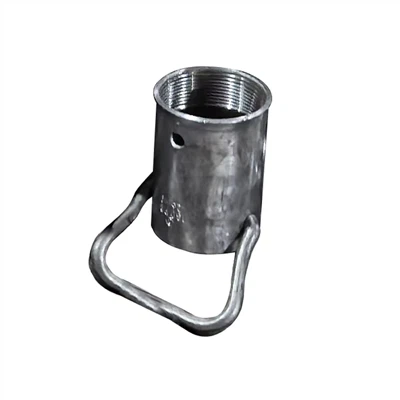
At the end of the day, CNG is a great, affordable, eco-friendly fuel option, but only if you treat your cylinders with the respect they deserve. Don’t cut corners, don’t ignore small issues, and work with a supplier that’s on your side. That’s all we’ve got for today—stay safe out there, and feel free to reach out anytime.
Gas Cylinder Components References:
- Compressed Natural Gas (CNG) Cylinder Safety Standards. Department of Transportation (DOT)
- lifecycle Risk Assessment for Type 1, Type 3, and Type 4 CNG Cylinders. International Organization for Standardization (ISO)
- Corrosion Mitigation for CNG Storage Cylinders in Variable Environmental Conditions. Journal of Energy Storage
- Field Analysis of CNG Cylinder Incidents: 2018-2023 Data. Pipeline and Hazardous Materials Safety Administration (PHMSA)
Address:
E-mail: bao@lu-chain.com
WebSite: https://www.lu-chain.com/
