If you’ve ever stood in a grocery store aisle, staring at the ingredient list on a carton of plant-based milk, a bag of gluten-free snack crackers, or even a tube of toothpaste (don’t judge—many toothpastes hide modified food starches), you’ve probably seen terms like “modified corn starch,” “high-fructose corn syrup,” or “xanthan gum.” For most people, these are just weird, sciency-sounding words—until you’re a food additive raw materials supplier, and a customer slides into your DMs or emails, frantic with one question: “Are there even rules around this stuff?” Food Additive Raw Materials

Let me tell you, this is a question I get at least three times a week, and it’s one that keeps me up at night (along with supply chain delays and crop yield fluctuations, obviously). For 12 years, I’ve run a small, family-owned food additive raw materials supply business—we source, test, and distribute everything from modified citrus pectin to yeast extracts, and GMO raw materials make up roughly 40% of our product line. I don’t have a PhD in molecular biology, but I’ve sat through more regulatory webinars than I can count, had 17 back-and-forths with FDA inspectors, and helped a dozen big-name snack brands navigate a food scare that started when a batch of GMO-derived lecithin accidentally made its way onto a retail shelf (long story, short: traceability was the issue, not the GMO material itself). So let’s cut through the noise: yes, there are regulations. They’re global, they’re messy, and they’re evolving faster than we can source new crop varieties. But they’re also not the boogeyman people make them out to be—especially when you’re a supplier who takes compliance seriously.
First, let’s define what we’re even talking about, because “genetically modified food additive raw materials” is a mouthful, and people throw it around like it means something it doesn’t. When we say GMO for food additives, we’re not talking about whole fruits or veggies like you might see at a farmers’ market; we’re talking about the inputs: the crops or microorganisms that are modified to produce the additive. For example, xantham gum—used to thicken salad dressings and gluten-free bread—comes from Xanthomonas campestris bacteria. We can modify that bacteria to produce more gum with less water waste, or we can use corn that’s been modified to resist pests to produce corn starch, a raw material for many emulsifiers and binders. It’s all about the input, not the final additive itself—this is a key point that even a lot of industry insiders mix up.
Now, the regulations. If you thought food regulations are bad in the U.S., try operating in the EU, where each country has its own tiny tweaks (thankfully, most align with EFSA), or in countries like Brazil, which just updated its GMO rules in 2024 to allow more industrial applications. Let’s start with the big three markets, because that’s where 85% of our customers are: the U.S., the EU, and Canada.
In the U.S., the FDA is the gatekeeper, and their process is straightforward in theory, tangled in practice. First, any GMO raw material used in food additives has to be “generally recognized as safe” (GRAS). Wait—GRAS isn’t just for GMOs; it’s for every food additive. But for GMO raw materials, you can either do a GRAS notification (which is what we do for 90% of our GMO products) or have the FDA issue a formal GRAS determination. The notification process is the one most small suppliers use: you submit all your data—toxicology tests, crop growth studies, allergen assessments—to the FDA, and they post it in a public database (I once spent 10 hours scrolling that database to verify a new batch of modified soy lecithin was compliant, so you know I’m not making this up). The big catch here is traceability. The FDA requires that you can track every batch of GMO raw material from the farm it was grown on (or the lab it was cultured in) all the way to the loading dock at our warehouse. No exceptions. When that 2022 lecithin scare happened, it was because a mid-sized farm in Iowa accidentally mixed GMO soybeans with non-GMO ones, and our customer didn’t have the right lot number tracking to catch it before it was shipped to 12 grocery chains. We updated our entire traceability system that week—we now assign a unique QR code to every single batch, and our inspectors scan it at every step, because one mistake here can sink a business.
The EU is a whole other beast, and it’s where my gray hair started. The EU uses a “case-by-case” approval system run by the European Food Safety Authority (EFSA), and GMO food additives are split into two categories: those that contain GMO material, and those that are produced by GMOs. For example, if you have a starch that’s made from GMO corn, that’s a GMO product and has to go through full risk assessment, including tests for gene transfer to human gut bacteria, a question that makes our lab team groan. If you have a yeast extract that’s produced by modified yeast, that’s also classified as a GMO additive, even though there’s no actual GMO DNA left in the final extract (that’s another common misconception—most GMO processing removes all modified genetic material). For the EU, every batch has to be labeled with a “GMO” code if it contains more than 0.9% GMO material by weight. That threshold is non-negotiable. I once lost a 50-ton order for a German salad dressing brand because our testing lab found 1.1% GMO content in a batch of modified corn starch—we’d run the test twice, but the second run missed a tiny cross-contamination event from a neighboring grain bin. The customer didn’t even yell; they just sent a note saying, “You know the rules, John.” That’s when I learned compliance isn’t just a box to check—it’s a promise to your customers.
Canada’s regulations are a middle ground, which I appreciate. Health Canada oversees GMO food additives, and they use a similar GRAS-like approach, but they also require labels if GMO material is present. Their 0.9% threshold matches the EU’s, which makes cross-border supply easier—thank goodness for that. Last year, we had a customer in Toronto who needed a batch of xanthan gum in 48 hours for a launch, and being able to ship from our U.S. warehouse to Canada without re-testing was a huge win for both of us.
But here’s the thing: regulations aren’t just local. If you export a product that uses a GMO-derived additive, you have to comply with every country it passes through. That means our quality team has a binder that’s 3 inches thick, full of every country’s rules for GMO food additives, and we update it every time a new rule comes out. In 2023, Japan updated its GMO threshold to 0.5% for all food additives, and we had to re-test 12 batches of raw material before shipping to Tokyo, which cost us $12,000 in testing fees—but it was either that or lose a $200,000 contract. When you’re in the additive raw materials business, compliance isn’t optional; it’s table stakes.
Now, let’s talk about what the regulations don’t cover, because that’s where most of the confusion comes from. For example, the FDA doesn’t require labeling of GMO-derived additives that don’t have any modified DNA left in the final product. So a modified yeast extract that’s produced by GMO yeast—no actual GMO genes in the extract—doesn’t need to say “GMO” on the label. That’s why a lot of people think they’re eating non-GMO additives when they’re not. And another big one: organic certification. The USDA Organic prohibits GMO raw materials, but there’s a 5% tolerance for accidental cross-contamination in organic crops, which is higher than the FDA’s 0.9% threshold for GMO additives. I’ve had customers ask us why we can’t supply GMO-derived additives labeled as organic, and that’s why: the two rules don’t align. It’s a headache, but it’s how it works.
As a supplier, I also have to deal with the demand from customers for non-GMO options. A few years ago, non-GMO additive raw materials made up 15% of our business; today it’s 35%. That’s not because people are scared of GMOs—most of our customers tell us their retail customers just ask for it, so we have to provide it. But I’ll be honest: I’ve seen third-party “non-GMO” certifications that are laughable, because they don’t verify the raw material’s origin, just the final product. We work with independent labs to test every batch of our non-GMO materials for GMO content, and we require our suppliers (the farmers, the lab teams that modify microorganisms) to provide full traceability from seed to shipment. That’s the difference between a legitimate supplier and one that’s just greenwashing.
I know there are people out there who say GMO food additives are unsafe, and I get why—when you hear “genetically modified,” it sounds like something out of a sci-fi movie. But let’s look at the data: the World Health Organization, the FDA, EFSA, and the American Medical Association all say that GMO food additives that pass regulatory testing are safe to eat. The key here is that the regulations are built around safety, not just fear. They require years of testing, traceability, and transparency, all to make sure that when a food manufacturer uses a GMO-derived additive, they’re not putting consumers at risk.
Of course, the regulations aren’t perfect. They’re slow to update for new technologies—like CRISPR, which is a newer gene-editing tool that’s different from older GM methods, and most countries are still figuring out how to regulate CRISPR-derived food additives. Last year, we had a customer that wanted to use a CRISPR-modified strain of bacteria to produce a flavor enhancer, and we spent six months working with EFSA to get the approval, which meant delaying the customer’s product launch by three months. That’s frustrating, but it’s better than rushing a new technology into the market without testing.
For small suppliers like us, compliance can be a burden, but it’s also a competitive advantage. When a big snack brand like those little goldfish crackers or a plant-based milk brand reaches out to us, they don’t just want a cheap price—they want to know that our raw materials are legal, safe, and traceable. We don’t cut corners on testing, even if it means our prices are a little higher than some overseas suppliers. Because I’ve seen what happens when you cut corners: a recall, a lost customer, and a hit to the industry as a whole.
So if you’re a food manufacturer, a brand owner, or someone looking for reliable food additive raw materials, and you have questions about GMO regulations, I’m here to help. I’ve spent 12 years navigating these rules, and I can walk you through the process—from testing to labeling to shipment. We work with every major market, and we can provide all the documentation you need to pass a regulatory audit. If you’re tired of dealing with suppliers that can’t explain their compliance process, or that cut corners to save a dollar, send us a message. We’re not just a supplier—we’re a partner.
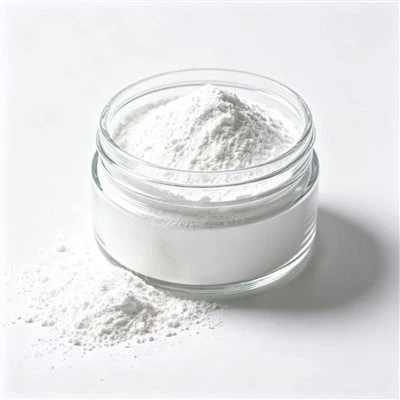
When it comes to GMO food additive raw materials, there’s no shortage of confusion and misinformation, but there is a clear set of rules, and they’re designed to keep everyone safe. As long as we follow them, test rigorously, and stay transparent with our customers, we can keep supplying the additives that make the food we eat taste good, look good, and last a little longer—without compromising safety.
Food Additive Raw Materials References:
- U.S. Food and Drug Administration. (2024). Genetically Modified (GM) Foods: Safety and Regulation. Retrieved from FDA.gov
- European Food Safety Authority (EFSA). (2023). Guidance on the Risk Assessment of Genetically Modified Food and Feed. Retrieved from EFSA.europa.eu
- Health Canada. (2024). Genetically Modified Foods: Regulatory Requirements. Retrieved from Canada.ca
- World Health Organization (WHO). (2022). Genetically Modified Foods: Fact Sheet. Retrieved from WHO.int
- United States Department of Agriculture (USDA). (2023). Organic Certification Requirements for GMO Prohibitions. Retrieved from USDA.gov
Shandong Guanqing Food Ingredients Co., Ltd.
As one of the most professional food additive raw materials manufacturers and suppliers in China, we have world-leading production equipment and strong manufacturing capabilities. Please rest assured to buy high quality food additive raw materials for sale here from our factory.
Address: Room 101, Building 10, Phase II, Mingdu Garden (South Zone), Zhengshan Subdistrict, Linshu County, Linyi City, Shandong Province
E-mail: 18836528629@163.com
WebSite: https://www.guanqingbio.com/
