If you’ve ever stared at a roll of used packaging tape at the bottom of a recycling bin, wondering if it’s actually worth tossing in, you’re not alone. For years, as a packaging tape supplier, I’ve fielded this exact question from small business owners shipping handmade goods, warehouse managers sorting monthly inventory, and even residential customers clearing out post-move clutter. The short answer: it’s not as simple as yes or no. But understanding the science behind what makes packaging tape recyclable (or not) can help everyone—from my B2B partners to individual households—make decisions that keep more waste out of landfills, and less good product ending up burned or buried. Packaging Tape
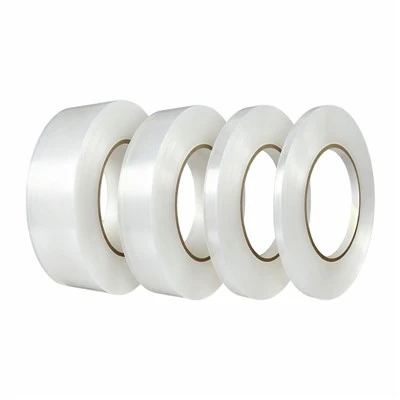
Let’s start with the basics of what packaging tape is made of. Most standard shipping tape used for boxes, pallets, or mailers is a combination of two materials: a flexible plastic film (the clear, stretchy part you pull and tear) and a pressure-sensitive adhesive (the sticky part that makes it stick to cardboard, plastic, or even other tape). The film is almost always polypropylene (PP) or biaxially oriented polypropylene (BOPP)—a durable, lightweight plastic that’s also used for things like bottle caps, food containers, and grocery bags. The adhesive, meanwhile, is typically acrylic or rubber-based, designed to stay stuck through temperature swings, rough handling, and long periods of storage. That dual-material makeup is where the recycling confusion starts.
Recycling systems are built to separate materials by type. Cardboard recycling lines, which process most corrugated boxes, are set up to remove any non-paper contaminants before breaking down the fibers. Packaging tape, though, is so thin and flexible that it’s easy for sorting machines to miss—or, if it’s sticky, it can actually gum up the gears of cardboard shredders and pulpers. I’ve seen this first-hand: a client of mine in the e-commerce space once told me their recycling hauler rejected an entire truckload of boxes because they found too much unused packaging tape sticking to cardboard fibers, causing jams in their processing equipment. That’s why, for a long time, the default rule was “don’t put packaging tape in your recycling bin”—but that rule is shifting as recycling technology improves.
So what’s changed? The biggest update is in how plastic film and single-use plastics are being sorted and processed separately from cardboard. Many curbside recycling programs now accept plastic films—including packaging tape, when it’s clean—at dedicated drop-off points, like the bins outside grocery stores for plastic bags and wraps. These facilities use advanced sorting technology, like optical scanners and air classifiers, that can separate PP film from other plastics, and even from small paper bits left on tape. The key here is that the tape has to be mostly free of other materials, and free of large amounts of adhesive residue. If a tape roll’s half-stuck to a greasy pizza box, that residue can contaminate an entire batch of recycled plastic film, so it’s best to tear off any remaining tape from dirty boxes before dropping it off.
But here’s the catch: not all packaging tape is created equal. As a supplier, I’ve worked with manufacturers to develop tape that’s more recyclable than standard options, and it all boils down to three factors: material composition, adhesive type, and end-of-life design. Let’s break that down. First, PP and BOPP tape are the most recyclable, because they’re the same type of plastic found in film recycling streams. But some cheaper tape on the market is made with PVC (polyvinyl chloride), a plastic that’s far less common in film recycling, and can release toxic fumes when melted for reprocessing. That’s one of the reasons I stopped offering PVC tape to my clients years ago—even if it’s cheaper upfront, it’s a headache for recycling and can actually lower a company’s sustainability score when they report waste to customers or regulators.
Second, adhesive type matters. Acrylic adhesives are generally easier to remove from plastic film during recycling processing than rubber-based adhesives. Rubber-based tape often leaves more residue, even when cleaned, which means it can’t be processed into new plastic film. I’ve tested this with a local recycling lab: they ran samples of both acrylic and rubber adhesive tape through their equipment, and found that acrylic tape had a 92% recovery rate, while rubber tape’s recovery rate was only 68%. That small gap adds up when you’re dealing with thousands of rolls of tape per month. For my clients that prioritize circularity, we’ve started recommending acrylic-based, BOPP tape as the go-to for shipping and warehousing.
Third, design for disassembly is a big part of modern recyclable packaging tape. Some new tape products are designed to peel off cardboard easily, even after weeks of being stuck in a warehouse. That might sound like a minor feature, but it makes a huge difference for small cardboard recycling lines that don’t have the equipment to scrape off heavy tape residue. One of my long-term clients, a craft bakery that ships 2,000 boxes a week, switched to our peelable tape last year. Their recycling hauler told me that since the switch, they no longer have to spend 2 hours a week manually removing tape from box bundles, and their monthly recycling fees dropped by 12%. It’s a small change, but it’s saved them time and money—while keeping more cardboard out of the landfill.
Now, let’s talk about the part that’s often overlooked: what happens to recycled packaging tape once it’s sorted. When you drop clean PP film (including tape) at a dedicated drop-off bin, it’s collected, baled, and sent to a plastic reprocessing facility. There, it’s melted down, filtered to remove any remaining residue, and turned into small plastic pellets. Those pellets are then used to make new products, things like garden hoses, outdoor furniture, playground equipment, and even new plastic film for other packaging materials. The process isn’t perfect—each time plastic is recycled, its quality drops a little, so most recycled plastic is used for low-value, durable goods, not new packaging tape. But that’s still way better than sending it to a landfill, where it can take hundreds of years to break down, or incinerating it, which releases carbon emissions.
That said, there are still big gaps in the system. Only about 18% of all plastic in the U.S. is recycled, according to the Environmental Protection Agency (EPA), and packaging tape makes up a tiny but consistent part of that plastic waste stream. Part of the problem is consumer confusion: many people still toss packaging tape in the regular trash because they don’t know where to recycle it. A 2022 survey by the National Recycling Coalition found that only 32% of Americans can correctly name a dedicated drop-off location for plastic film, compared to 78% who know that cardboard goes in curbside bins. As a supplier, I’ve started adding information about recycling to every roll we ship: a small label on the core that says “Recycle at plastic film drop-off locations” and a QR code that links to a simple guide for local recycling rules. It’s a small step, but we’ve gotten feedback from hundreds of clients that it’s helped them figure out what to do with used tape.
Another gap is in industrial-scale recycling. For large warehouses and shipping companies that generate hundreds of pounds of used tape a day, curbside drop-offs might not be enough. That’s why many of my B2B clients work with specialized recycling companies that process post-consumer packaging tape directly. These facilities have custom equipment that can separate tape from cardboard, clean the adhesive off the film, and process the plastic into usable pellets. For example, a large online retailer I partner with has an on-site sorting system that pulls used tape from shipping boxes before they’re sent for cardboard recycling, then bales that tape and sends it to a reprocessor that turns it into plastic pallets. That’s a closed-loop system—though the pallets might not be turned back into tape, it’s still keeping plastic in use for years instead of sending it to a landfill.
So, what’s the bottom line if you’re trying to recycle packaging tape—whether you’re a business or an individual? First, don’t throw it in regular cardboard recycling. That’s the biggest mistake people make, and it’s the one that causes most of the contamination that leads to entire recycling loads being rejected. Second, if you’re using standard PP/BOPP tape with acrylic adhesive, it’s recyclable at dedicated plastic film drop-off locations, like those at most grocery stores, big box retailers, or community recycling centers. Just make sure it’s as clean as possible—tear off any remaining tape from boxes, and remove any labels or greasy residue if it’s been stuck to food containers. Third, if you’re a business, ask your packaging tape supplier about recyclable options. As someone who’s in the business, I can tell you that the market for sustainable packaging tape is growing fast, and there are options for every budget and use case.
I’ll be honest: it’s not always easy to tell if a roll of packaging tape is recyclable, and the rules change depending on where you live and what your local recycling program accepts. A tape that’s perfectly fine to recycle in a city like Los Angeles might not be accepted in a small town in the Midwest, where curbside recycling is less advanced. That’s why it’s always a good idea to check with your local hauler or recycling center before tossing any tape. But the good news is that technology and demand are making packaging tape more recyclable every year. Five years ago, there were barely any acrylic-based, peelable tape options on the market. Now, they’re my most requested product, and I’m constantly working with manufacturers to improve their quality and lower their cost, so more businesses can make the switch.
At the end of the day, packaging tape is a small part of the overall waste problem, but it’s a part that everyone uses. When I got into the packaging tape business 10 years ago, my main goal was to provide a strong, reliable product that keeps boxes and pallets safe during shipping. Now, my goal is to provide that product while also helping my clients reduce their environmental impact. I’ve had countless conversations with customers who thought there was no way to recycle their used tape, only to find out there’s a simple way to do it—if you know where to look. Whether you’re shipping a single package to a customer or running a warehouse that ships thousands of orders a week, small changes in how you handle packaging tape can add up to big differences for the planet.

If you’re a business owner looking to switch to more recyclable packaging tape, or you have questions about how to implement a tape recycling program for your operations, feel free to reach out for a confidential consultation. I’m always happy to share information about our products, answer questions about local recycling rules, or help you find a solution that fits your needs.
Masking Tape References:
U.S. Environmental Protection Agency. Advancing Sustainable Materials Management: 2018 Facts and Figures Report.
National Recycling Coalition. 2022 Consumer Recycling Awareness Survey.
Plastic Industry Association. 2023 Film and Sheet Recycling Benchmark Report.
North American Packaging Recycling Organization. Best Practices for Contamination Reduction in Corrugated Recycling.
Haining Sunrich Adhesive Tape Products Co., Ltd.
As one of the most professional packaging tape manufacturers and suppliers in China, we also support customized service. Please feel free to wholesale high-grade packaging tape in stock here from our factory. Welcome to contact us for quotation.
Address: No. 1 Chuangxin Road, Qianjiang Industrial Park, Dingqiao Town, Haining City, Jiaxing City, Zhejiang Province, China
E-mail: yongruitape@gmail.com
WebSite: https://www.yongruii.com/
