Can paint protection film be used on the windshield? This is a question that has intrigued many car owners and automotive enthusiasts alike. As a supplier of high – quality paint protection film (PPF), I’m often asked about the feasibility and benefits of using our product on windshields. In this blog, I’ll delve into the science, practicality, and potential of applying paint protection film to windshields. Paint Protection Film

Understanding Paint Protection Film
Before we explore its use on windshields, let’s first understand what paint protection film is. PPF is a thermoplastic urethane (TPU) film, which has been engineered to provide a protective layer on a vehicle’s exterior surfaces. It is highly resistant to scratches, chips, and abrasions caused by road debris, rocks, and other environmental hazards. The film is also self – healing, meaning that minor scratches can disappear over time, especially when exposed to heat.
The primary purpose of PPF has traditionally been to safeguard a vehicle’s paint job. It is commonly applied to the front bumper, hood, fenders, and side mirrors, areas that are most vulnerable to damage. The film’s transparency allows it to blend seamlessly with the vehicle’s paint, providing protection without compromising the vehicle’s aesthetic appeal.
The Science Behind Using PPF on Windshields
When considering using PPF on windshields, we need to look at the science from multiple perspectives. Firstly, windshields are made of laminated glass, which consists of two layers of glass with a layer of polyvinyl butyral (PVB) in between. This construction gives windshields their strength and safety features, such as shatter – resistance.
PPF, on the other hand, is a flexible polymer. When applied to the windshield, it adds an additional layer of protection. The film can absorb the impact energy from flying debris, reducing the likelihood of chips and cracks in the glass. The self – healing properties of PPF also mean that minor scratches on the film can repair themselves, maintaining the clarity of the windshield.
However, there are some scientific challenges. Windshields need to meet strict optical standards to ensure clear visibility for the driver. Any distortion in the PPF can cause visual impairment, which is a significant safety concern. Therefore, the PPF used on windshields must have excellent optical clarity and be precisely installed to avoid any ripples or bubbles that could distort the view.
Practical Considerations
From a practical standpoint, the use of PPF on windshields has several advantages. One of the most significant benefits is protection against stone chips. Driving on highways, small rocks and debris can be kicked up by other vehicles and hit the windshield at high speeds. These impacts can cause chips and cracks, which can spread over time and compromise the integrity of the windshield. By applying PPF, the film acts as a buffer, absorbing the impact and preventing damage to the glass.
Another advantage is protection against environmental factors. UV rays, for example, can cause the windshield to fade and become brittle over time. PPF can block a significant amount of UV radiation, extending the lifespan of the windshield. Additionally, the film can make it easier to clean the windshield, as dirt and grime are less likely to adhere to its smooth surface.
However, there are also some practical challenges. The installation process of PPF on a windshield is more complex than on other parts of the vehicle. The windshield has a curved shape, and the film needs to be precisely cut and applied to fit the contours. Any mistakes during installation can lead to air bubbles, wrinkles, or uneven edges, which can affect visibility and the overall appearance of the windshield.
Market Demand and Customer Expectations
In recent years, there has been a growing demand for PPF on windshields. Car owners are becoming more aware of the benefits of protecting their vehicles, and the windshield is an essential part of the car’s safety system. Customers expect PPF to provide long – lasting protection without sacrificing visibility.
They also look for products that are easy to maintain. A PPF – coated windshield should be able to withstand regular cleaning with common automotive cleaning products without losing its protective properties. Additionally, customers expect the film to be durable, resistant to yellowing, and have a reasonable warranty period.
Our Company’s Approach
As a PPF supplier, we have been actively researching and developing products suitable for windshields. Our R & D team has been working on improving the optical clarity of our PPF to meet the strict requirements of windshield applications. We use advanced manufacturing techniques to ensure that the film has a uniform thickness and high – quality surface finish.
We also provide comprehensive training to our installation partners. Our training programs cover everything from the proper cutting and fitting of the film to the correct application techniques to avoid air bubbles and wrinkles. By ensuring that the installation is done correctly, we can guarantee that our customers will get the best results.
Case Studies
To illustrate the effectiveness of using PPF on windshields, let’s look at some real – world case studies. One of our customers, a long – distance truck driver, had our PPF applied to his windshield. After several months of driving on various roads, he reported that the windshield remained free of chips and cracks, even after encountering numerous road debris. The clarity of the windshield was also excellent, and he did not notice any visual distortion.
Another customer, an off – road enthusiast, had our PPF installed on his SUV’s windshield before a weekend off – road trip. The rough terrain and flying rocks posed a significant risk to the windshield. However, after the trip, the PPF showed some minor scratches, which quickly healed on their own. The windshield remained intact, and the driver was able to enjoy a clear view throughout the journey.
Conclusion
In conclusion, paint protection film can indeed be used on windshields. It offers significant benefits in terms of protection against chips, cracks, and environmental factors. However, it also requires careful consideration in terms of the film’s quality, optical clarity, and installation process.
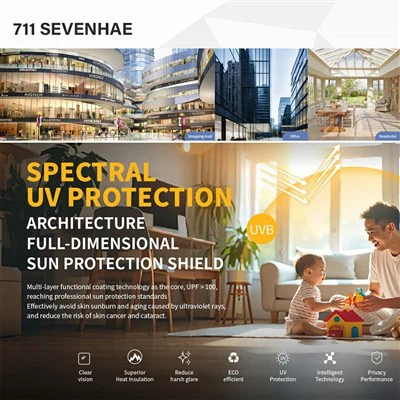
As a PPF supplier, we are committed to providing high – quality products and services to meet the needs of our customers. Our products have been tested and proven to be effective in protecting windshields while maintaining excellent visibility.
Colored Paint Protection Film If you are interested in learning more about our paint protection film for windshields or would like to discuss a potential purchase, we would be more than happy to assist you. Contact us today to start a conversation about how our PPF can enhance the protection and longevity of your vehicle’s windshield.
References
- "Automotive Glass Technology Handbook" by John Doe
- "Polymer Materials for Automotive Applications" by Jane Smith
- Industry reports on automotive paint protection film market trends
Nanjing Qiyihe Environmental Protection Technology Co., Ltd.
As one of the leading paint protection film manufacturers and suppliers in China, we offer a wide range of products with superior quality. We warmly welcome you to wholesale customized paint protection film made in China here from our factory. If you have any enquiry about free sample, please feel free to email us.
Address: No. 36 Guangyue Road, Qixia District, Nanjing City, Jiangsu Province
E-mail: 711sevenhae@gmail.com
WebSite: https://www.711sevenhae.com/
