Hey there! I’m a supplier in the central dust removal business, and I’ve seen firsthand how crucial it is to have an efficient central dust removal system. Whether you’re running a small workshop or a large industrial facility, a well – functioning dust removal system can save you a lot of headaches and money in the long run. So, let’s dive into how you can improve the efficiency of your central dust removal system. Central Dust Removal
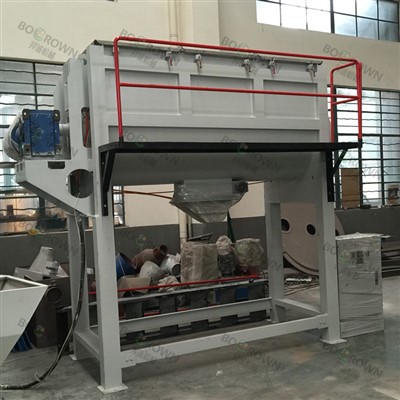
1. Regular Maintenance is Key
You know, just like your car needs regular oil changes and tune – ups, your central dust removal system needs some TLC too. One of the most important things you can do is to clean or replace the filters regularly. Filters are like the lungs of the system; they trap all the dust and debris. Over time, they get clogged up, and when that happens, the airflow is restricted. This means the system has to work harder to pull in air, which not only reduces its efficiency but also increases energy consumption.
I’ve had customers who thought they were saving money by not changing the filters often enough, but in the end, they ended up paying more for repairs and higher energy bills. So, make a schedule for filter maintenance. Check the manufacturer’s recommendations for how often to clean or replace them. Usually, it’s a good idea to inspect the filters every month and replace them every few months, depending on how dirty the environment is.
Another part of regular maintenance is checking the ductwork. The ducts are what carry the dust – laden air from the source to the dust collector. If there are any leaks or blockages in the ducts, it can really mess up the system’s efficiency. Look for signs of wear and tear, like holes or loose connections. You can use a smoke pencil to check for leaks; if the smoke gets sucked into a crack or hole, you’ve found a problem. Seal any leaks with duct tape or mastic, and make sure the ducts are clear of any debris.
2. Optimize the Airflow
The airflow in your central dust removal system is super important. If the airflow is too weak, the dust won’t be effectively captured and removed. On the other hand, if it’s too strong, it can waste energy and cause unnecessary wear and tear on the system.
To optimize the airflow, you need to make sure that the system is sized correctly for your needs. When I’m working with customers, I always take the time to assess their workspace, the type of dust they’re dealing with, and the number of dust – generating sources. This helps me recommend the right size and type of dust collector.
You also want to position the dust collection hoods properly. These are the parts that capture the dust at the source. They should be as close as possible to the dust – generating equipment without interfering with the operation. If they’re too far away, the dust can escape into the air before it gets captured. And make sure there are no obstructions around the hoods that could disrupt the airflow.
Balancing the airflow in the ductwork is another crucial step. You can use dampers to adjust the amount of air flowing through different parts of the system. This ensures that each dust – generating source gets enough airflow to capture the dust effectively. It’s a bit like adjusting the water flow in different pipes in your house to make sure each faucet gets the right amount of water.
3. Upgrade to Energy – Efficient Components
In today’s world, energy efficiency is a big deal. Not only does it save you money on your utility bills, but it’s also better for the environment. There are several components of your central dust removal system that you can upgrade to make it more energy – efficient.
One of the first things you can look at is the fan. The fan is what creates the airflow in the system, and it can consume a lot of energy. Newer, high – efficiency fans are designed to move the same amount of air with less power. They use advanced blade designs and motors that are more efficient. Upgrading to an energy – efficient fan can significantly reduce your energy consumption.
Another component to consider is the dust collector itself. Some modern dust collectors use advanced filtration technologies that require less energy to operate. For example, pulse – jet dust collectors use short bursts of compressed air to clean the filters, which is more efficient than traditional methods. This not only saves energy but also extends the life of the filters.
4. Train Your Staff
Your staff plays a big role in the efficiency of your central dust removal system. They’re the ones who are operating the equipment and working in the environment where the dust is being generated. So, it’s important to train them on how to use the system properly and how to recognize when there are problems.
Teach them about the importance of keeping the dust – generating equipment clean and well – maintained. For example, if they’re using a wood – working machine, they should clean the sawdust regularly to prevent it from building up and causing problems with the dust collection system.
Show them how to operate the controls of the dust removal system. They should know how to turn it on and off, adjust the settings if necessary, and what to do in case of an emergency. Also, train them to look for signs of a malfunctioning system, like strange noises or reduced airflow. If they notice something wrong, they should report it right away so that it can be fixed before it becomes a bigger problem.
5. Monitor and Analyze Performance
You can’t improve what you don’t measure. That’s why it’s important to monitor the performance of your central dust removal system regularly. There are several key performance indicators (KPIs) that you can track, such as the airflow rate, pressure drop across the filters, and energy consumption.
You can use sensors and monitoring devices to collect data on these KPIs. There are even some systems that can send you alerts if there are any significant changes in the performance. Analyzing this data can help you identify trends and potential problems early on. For example, if you notice that the pressure drop across the filters is increasing steadily, it could be a sign that the filters are getting clogged and need to be replaced.
Based on the data analysis, you can make informed decisions about maintenance and upgrades. If you see that the energy consumption is higher than normal, you might consider upgrading to more energy – efficient components. Or if the airflow rate is lower than it should be, you can check for blockages in the ductwork.
Conclusion
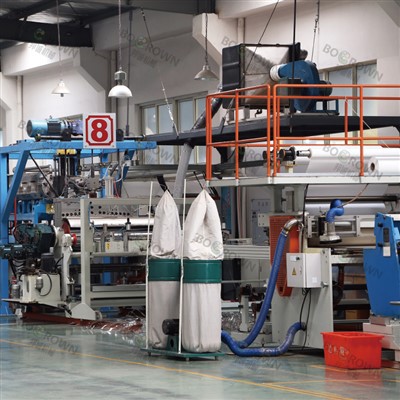
Improving the efficiency of your central dust removal system isn’t a one – time thing. It’s an ongoing process that requires regular maintenance, optimization, upgrades, staff training, and performance monitoring. By following these tips, you can ensure that your system is running at its best, saving you money on energy and maintenance costs, and creating a safer and cleaner working environment.
Grinding Mill If you’re interested in learning more about how we can help you improve the efficiency of your central dust removal system or if you’re looking to purchase a new system, I’d love to have a chat with you. Just reach out, and we can start a conversation about how to meet your specific needs.
References
- Industrial Ventilation Manual, various editions.
- Manufacturer’s manuals for central dust removal systems.
- Technical papers on energy – efficient dust collection technologies.
ZJG BC Machinery Co., Ltd.
As one of the most professional central dust removal manufacturers and suppliers in China, we’re featured by quality products and good price. Please rest assured to buy cost-efficient central dust removal for sale here from our factory. Contact us for custom service and OEM service.
Address: No.8 Lexi Road, Leyu Town, Zhangjiagang City
E-mail: sales@bcextruder.com
WebSite: https://www.bcextruder.com/
