Hey there! I’m a supplier of DC gear motors, and I’m super excited to share with you all the materials used in these nifty little machines. DC gear motors are everywhere, from your everyday household appliances to high – tech industrial equipment. So, let’s dig into what makes them tick! DC Gear Motor

Stator Materials
The stator is a key part of a DC gear motor. It’s the stationary part of the motor, and it plays a crucial role in creating the magnetic field. One of the most common materials used for the stator core is laminated silicon steel.
Silicon steel is great because it has low core losses. When the motor is running, there are alternating magnetic fields, and these fields can cause energy losses in the form of heat. Silicon steel helps to minimize these losses, making the motor more efficient. The laminations are thin sheets of the steel that are stacked together. This design reduces eddy current losses, which are another type of energy loss that can occur in the stator.
The windings in the stator are typically made of copper. Copper is an excellent conductor of electricity. It has low resistance, which means that when an electric current passes through it, there’s less energy wasted as heat. This is important for the overall efficiency of the DC gear motor. Also, copper is relatively easy to work with. It can be easily wound into coils, which are essential for creating the magnetic field in the stator.
Rotor Materials
The rotor is the rotating part of the DC gear motor. A common material for the rotor core is also laminated silicon steel, just like the stator. The laminations in the rotor serve the same purpose as in the stator, reducing eddy current losses.
For the rotor windings, again, copper is the go – to material. The copper windings in the rotor interact with the magnetic field created by the stator, causing the rotor to rotate. The interaction between the magnetic fields of the stator and the rotor is what makes the motor work.
In some cases, permanent magnets are used in the rotor. Neodymium magnets are a popular choice. These magnets are incredibly strong for their size. They can create a very powerful magnetic field, which allows the motor to generate more torque. Torque is the rotational force that makes the motor turn things, like the wheels of a small robot or the gears in a conveyor belt system.
Gear Materials
Now, let’s talk about the gears in a DC gear motor. Gears are what transfer the power from the motor to the output shaft and can change the speed and torque of the motor.
One of the most common materials for gears is steel. Steel gears are strong and durable. They can handle high loads and have a long lifespan. There are different types of steel used, such as carbon steel and alloy steel. Carbon steel is relatively inexpensive and has good strength. Alloy steel, on the other hand, has additional elements like chromium, nickel, or molybdenum added to it. These elements improve the hardness, toughness, and wear resistance of the gears.
Plastic gears are also used in some DC gear motors, especially in applications where noise reduction is important. Plastic gears are quieter than steel gears because they have a lower coefficient of friction. They’re also lighter, which can be an advantage in some portable or lightweight applications. Materials like polyoxymethylene (POM) and polycarbonate are commonly used for plastic gears. POM is known for its high stiffness and low friction, making it a great choice for gears that need to operate smoothly.
Housing Materials
The housing of a DC gear motor serves to protect the internal components and provide a mounting structure. Aluminum is a popular choice for the housing. It’s lightweight, which is important, especially in applications where weight is a concern, like in drones or small robotic devices. Aluminum also has good thermal conductivity. This means that it can help to dissipate the heat generated by the motor, keeping the internal components cool.
Cast iron is another option for the housing. Cast iron is very strong and can withstand high mechanical stresses. It’s often used in industrial applications where the motor needs to be rugged and reliable. However, it’s heavier than aluminum, so it may not be suitable for applications where weight is a critical factor.
Bearings
Bearings are essential for allowing the rotor to rotate smoothly. Ball bearings are commonly used in DC gear motors. They consist of small balls that roll between an inner and an outer race. The balls reduce friction, allowing the rotor to spin with minimal resistance.
The materials used for ball bearings include steel and ceramic. Steel bearings are the most common. They’re strong and can handle high loads. Ceramic bearings, on the other hand, are lighter and have lower friction. They’re also more resistant to corrosion, which can be an advantage in some harsh environments.
Commutator and Brushes
The commutator is a part of the DC motor that helps to reverse the direction of the current in the rotor windings. It’s typically made of copper segments separated by insulating material. The copper segments are good conductors of electricity, and the insulating material prevents short – circuits between the segments.
The brushes are in contact with the commutator. They’re usually made of carbon or graphite. Carbon and graphite are good conductors, and they can handle the high – current flow between the power source and the rotor windings. They also have self – lubricating properties, which helps to reduce wear on the commutator.
Conclusion
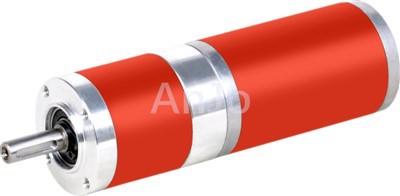
So, there you have it! All the main materials used in a DC gear motor. Each material plays a vital role in the performance, efficiency, and durability of the motor. Whether it’s the silicon steel in the stator and rotor, the copper in the windings, the steel or plastic in the gears, or the aluminum or cast iron in the housing, every part is carefully chosen to make the motor work as well as possible.
Customized Gearbox If you’re in the market for DC gear motors, I’d love to chat with you. We offer a wide range of high – quality DC gear motors that are made with the best materials. Whether you need a motor for a small DIY project or a large industrial application, we’ve got you covered. Just reach out, and we can start discussing your specific needs.
References
- “Electric Motors and Drives: Fundamentals, Types and Applications” by Austin Hughes and Bill Drury
- “Handbook of Small Electric Motors” by Elias S. Larsen
Hangzhou ANG Drive Co., Ltd.
As one of the most professional dc gear motor manufacturers and suppliers in China, we’re featured by quality products and good service. Please rest assured to wholesale custom made dc gear motor from our factory. Good service and quality products are available.
Address: No.185, Jincheng Rd., Hangzhou 311202, China
E-mail: export2@angdrive.com
WebSite: https://www.anjodrive.com/
