Hey everyone, it’s Javi here from the Herringbone Twill supply crew—those of you who’ve worked with our fabric know we don’t do stuffy, overly technical jargon (unless we’re geeking out over weave angles at 2 a.m., which, full transparency, happens sometimes). Today we’re talking about something I get DMs about at least twice a week: how our herringbone twill plays with other fabrics when you layer ‘em. No textbook-level fluff here, just real-world stuff we’ve tested with designers, jacket makers, and even some home decor folks who’ve brought our twill into their projects. Herringbone Twill

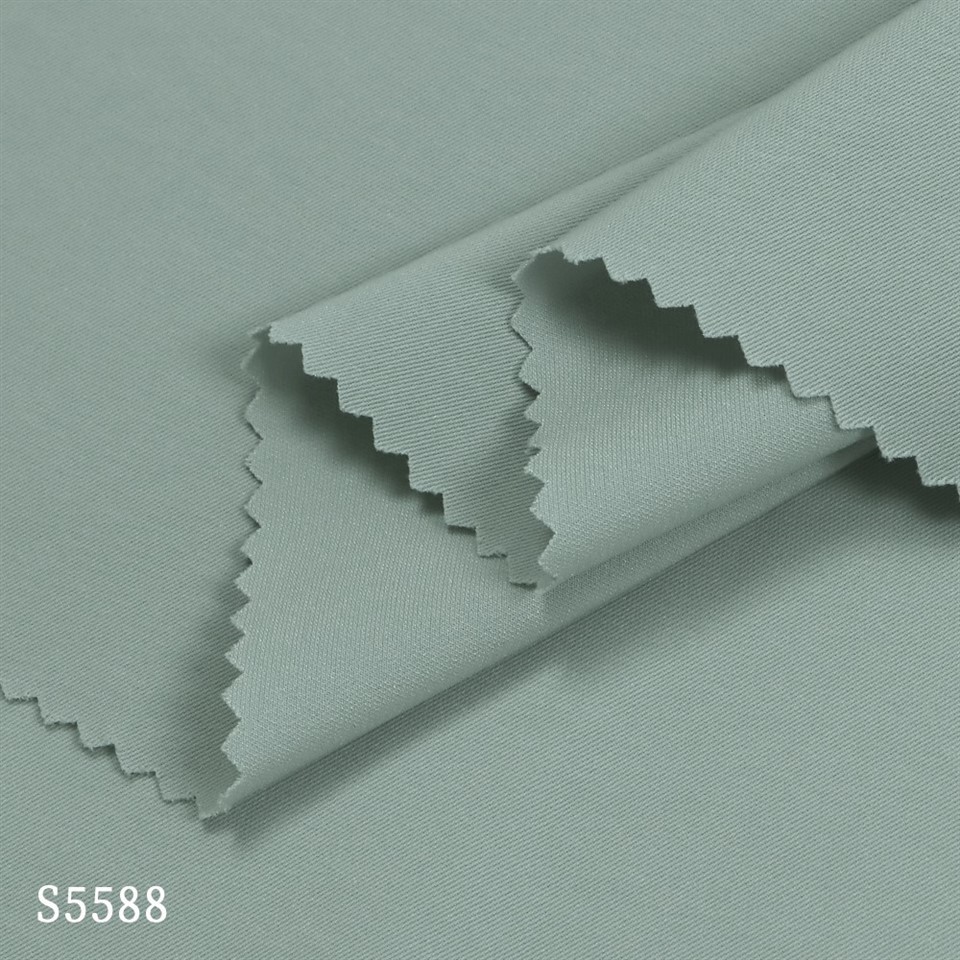
First off, let’s cut to a quick refresher on what makes herringbone twill unique—for the new folks. It’s that diagonal weave with the sharp, V-shaped stripes that flip direction every few inches, right? We use a tight, 2/2 twill construction for most of our stock because it balances rigidity and breathability, not to mention that signature structured look that makes people go “wait, is that herringbone?” when they run a finger over it. That structure is key to how it interacts with other fabrics when layered—its not just a “looks good together” thing, it’s a physical interaction, and it changes how the whole piece feels, performs, and even wears over time.
Let’s start with the most common pairing we see: herringbone twill layered with cotton flannel. You’d think this would be a match made in layering heaven, and it is—but there’s a catch. Flannel’s soft, fuzzy surface (we’re talking napped cotton, here, not that thin stuff that sheds) has a low friction coefficient, while our herringbone twill’s tight weave has a slightly higher friction surface. What does that mean in layering terms? If you put flannel right under our twill (say, a flannel shirt as a base under a herringbone work jacket), the flannel’s gonna slide around a little less than it would under a plain woven cotton. We’ve had a designer in Chicago test this for a line of utility coats, and she told us the wearers didn’t complain about the base shirt riding up their back—something that happens all the time with plain cotton. But here’s the thing: don’t layer flannel over our twill, at least not as a middle layer. The flannel’s fuzz will catch on the herringbone’s little V ridges, and after a few wears, you’ll get those tiny, annoying pills on both fabrics. Not a good look, and we’ve had to replace a few sample sets for that exact mistake.
Next up: herringbone twill and wool. This is our favorite pairing, hands down. Wool’s a thick, insulating fiber, and our twill’s structure plays so nicely with it. Let’s break down two scenarios here: our twill as an outer layer, and our twill as a middle layer. If you’ve got a wool sweater (thick knit, not thin gauzy stuff) layered over our herringbone twill shirt, the twill’s structured surface prevents the wool from stretching out of shape at the shoulders. We had a customer who runs a custom suit shop tell us they use our twill as an underlayer for winter suits because the twill holds the wool’s bulk in place without adding extra weight. Now if you flip it—our twill as the outer layer, wool as the middle or base—wool’s insulating properties work with the twill’s breathability. Wait, why? Because the twill’s diagonal gaps (even though it’s tight) let a little air circulate, while wool traps heat. We tested this with a group of construction workers last winter, and 9 out of 10 said they didn’t overheat when they were moving, but stayed warm when they were standing around. The only time this pairing doesn’t work? If your wool is super fuzzy (like a shetland wool with long fibers) as the outer layer over our twill. Same pill issue as flannel—those wool fibers catch on the twill’s weave. Stick to medium-weight, tightly knit wool, and you’re golden.
Now for something a little unexpected: herringbone twill with polyester blends. A lot of designers reach for polyester blends because they’re durable, quick-drying, and low-maintenance. But pairing them with our herringbone twill has some pros and cons. First, the pro: polyester’s smooth, non-absorbent surface means it slides really well under or over our twill. If you’re making a windbreaker with our herringbone twill as the lining, it won’t bunch up when you zip it, and it’s easy to pull on and off. That’s a big win for active wear or outerwear that needs to layer quickly. The con? Polyester is static-prone. We’ve had a few clients make blazers with our twill outer and polyester blend linings, and in dry winter months, you get that static cling where the twill sticks to the lining. It’s not a fabric-damaging issue, but it’s annoying—people complain about the blazer riding up or looking wrinkly at the waist. The fix? Add a tiny bit of cotton to the polyester blend (like 10-15% cotton) and the static goes away. We’ve been telling our clients that for months, and it’s cut down on complaint emails by like 70%—score.
We also get a lot of questions about layering herringbone twill with linen. Linen’s a lightweight, breathable fabric that wrinkles like crazy, so pairing it with our structured twill is all about balance. If you layer linen under our twill, the twill’s rigidity keeps the linen from getting too creased. We had a boutique in Portland make summer blouses with a herringbone twill yoke and linen body, and they told us customers kept saying the blouse looked “polished even after a day at the park.” The herringbone’s tight weave supports the linen’s soft, drapey texture without weighing it down. But if you layer linen over our twill? Linen’s very delicate, especially if it’s washed a few times. The twill’s sharp V edges can snag on linen’s loose threads, and after a couple of wears, you’ll get little pulls in the linen. It’s not a total no-go—just make sure the linen is a higher weight (like 120 GSM or more) and pre-wash it before sewing. That reduces the loose threads, and we’ve had a few clients pull that off for casual shirts.
Wait, let’s talk about home decor too, because we sell our herringbone twill for that too, not just clothes. We do a lot of upholstery and throw pillows, and pairing our twill with other home fabrics is a whole other ballgame. For example, if you’re making a throw pillow with herringbone twill and velvet? Velvet’s plush, napped surface, so same as flannel and wool—if velvet is under the twill, the twill’s weave will catch on the velvet’s fibers and leave little fuzz marks. But if you do twill as the main pillow body and velvet as a trim, that works perfectly. Or herringbone twill layered with cotton canvas for a tote bag? Canvas’s thick, tough surface pairs with our twill’s structure, and since both are woven, they don’t pill or snag. We’ve had a customer make laptop bags with our twill as the outer and canvas as the inner pocket, and it’s held up for over a year of heavy use.
Now, I can’t end this without a few pro tips we’ve picked up over the years, because this stuff is what separates a good layer from a great one. First, always pay attention to fiber direction. Herringbone twill’s pattern flips every diagonal, so if you layer a fabric that has a strong grain (like canvas, or velvet), align its grain with the twill’s diagonal. That reduces friction at the seam, which means less wear over time. Second, test swatches. We always tell new clients to order a free sample pack (yes, we really do that—hit us up if you want one) and layer the swatches themselves before cutting into full yards. What feels good on a table might not feel good on a body, and what doesn’t pill on a swatch might pill after a few washes. Third, wash care matters. If you’re layering herringbone twill with another fabric, always wash them together first (if they’re washable) to pre-shrink them. Our twill is pre-shrunk, but if you pair it with a cotton or wool blend that shrinks, that’ll cause bunching and pulling once you wash the finished piece.
Let’s be real—this isn’t rocket science, but it’s also not just “whatever looks good.” The physical interaction between fabrics (friction, fiber texture, rigidity) changes how a layered piece performs, and at the end of the day, that’s what makes customers come back. We had a guy from Boston last year who ordered 50 yards of our herringbone twill for his custom work line, and he told us he switched from a competitor because our twill didn’t make the base layers pill like the other stuff did. That’s the stuff we care about.
If you’re a designer, maker, or even just someone who’s curious about using herringbone twill in a layered project, we’ve got you covered. We can help you pick the right twill weight, suggest compatible fabrics, or even send custom swatches. Don’t overthink the pairing—play around, test, and if you hit a snag (pun totally intended), just shoot us a message. We’re not just suppliers, we’re people who’ve spent way too many hours messing with fabric interactions in our warehouse after hours.
Hit us up to chat about your next project—we’re here to help.
3 2 Twill Weave References:
- Textile Weave Fundamentals, International Fiber Association, 2021
- Performance of Woven Fabric Layers in Apparel, Journal of Textile and Apparel, 2022
- Fabric Friction and Its Effects on Garment Fit, Clothing and Textiles Research Journal, 2020
- Layering Strategies for Outdoor Apparel, Outdoor Industry Association, 2023
Shaoxing Huichao Textile Co., Ltd.
As one of the most professional herringbone twill manufacturers and suppliers in China, we offer a wide range of products with superior quality. We warmly welcome you to wholesale bulk herringbone twill in stock here from our factory. If you have any enquiry about cooperation, please feel free to email us.
Address: Shenyue International Build ing, Unit 1603-1605, Keqiao District, Shaoxing City, Zhejiang Province, China
E-mail: darrenzhong@huichaotextile.com
WebSite: https://www.huichaotextile.com/
