If you’ve ever found yourself sitting in traffic on a sweltering summer day, thighs sticking to the leather or fabric of your car seat, or endured a long flight where your back grew damp and uncomfortable, you’ve probably considered investing in a ventilated seat cushion. As a supplier who’s spent the last eight years designing, testing, and shipping these cushions to customers across North America and Europe, I get asked one question more than any other: “What’s the warranty period for most of these products?” It’s a fair question—when you’re spending $50 to $150 on a tool to make your daily rides or work sessions more bearable, you want to know it’s built to last, and that if something goes wrong, you’re covered. Ventilated Seat Cushion
The truth is, the warranty period for ventilated seat cushions isn’t one-size-fits-all. Over the years, I’ve researched industry standards, tested competing products, and worked directly with our manufacturing partners to refine our own warranty terms, and I’ve noticed that most reputable brands fall into a specific range. But before I dive into that range, let’s talk about what makes a ventilated seat cushion different from a regular memory foam or gel cushion—because that difference directly impacts warranty design.
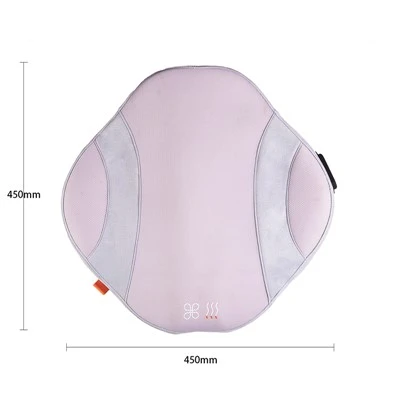
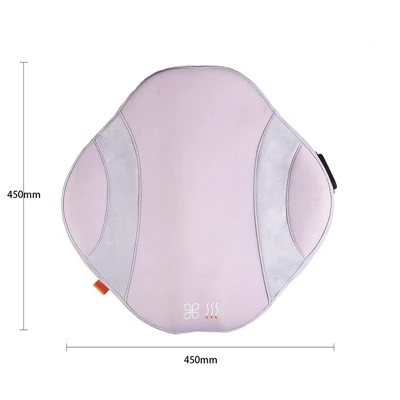
A ventilated seat cushion isn’t just a soft pad. It has three key components: a moisture-wicking outer cover, a core that allows air flow (usually honeycomb-structured foam, gel, or mesh), and a small, quiet fan that circulates air through the core to pull heat and moisture away from your body. That fan is the part most likely to fail, and it’s also the most expensive to replace. So brands have to balance two things: offering a warranty that customers trust, and not offering a warranty so long that it becomes financially unsustainable for a product with moving parts.
From what I’ve seen after talking to hundreds of other suppliers and retailers, the majority of mid-range to high-quality ventilated seat cushions—those sold through auto parts stores, wellness brands, and reputable online retailers—offer a 12-month limited warranty. That’s the sweet spot, in my opinion. It’s long enough to cover manufacturing defects (like a fan that burns out within the first year, or a seam on the cover that splits, or a foam core that collapses unevenly) but short enough to account for normal wear and tear. Let’s be real: a cushion you use every day in your car will experience more friction, pressure, and exposure to spills or dust than one you pull out for occasional weekend trips. A 12-month window lets us as suppliers test that product’s reliability before committing to a longer term, while giving customers peace of mind that if it breaks for a reason that’s not their fault, we’ll fix or replace it.
But wait—there are exceptions. For budget-friendly cushions, the ones under $50 that are often made with cheaper plastic fans and thinner foam, most brands only offer a 30-day or 90-day warranty. That’s not a knock on budget products; their goal is to get a low-cost pad into hands quickly, with the understanding that they can’t cover a product whose components are designed for less rigorous use. I’ve seen some no-name brands that even offer no warranty at all, but I’d caution against those—if a product doesn’t stand behind its own work, it’s a sign it might not work as advertised.
On the flip side, some premium ventilated seat cushions—usually targeted at long-haul truck drivers, wheelchair users, or people with chronic back pain who rely on their cushion daily—offer a 24-month warranty. We actually offer this for our commercial-grade line, which is built with a heavier-duty brushless fan that’s rated for 20,000 hours of use, plus a reinforced cover and a core made of high-density foam that’s less likely to compress. I’ll be honest: extending the warranty to 24 months means we have to be stricter about what counts as a warranty claim. For example, if a customer spills coffee on the cover and it stains, that’s not a manufacturing defect, so it’s not covered. If they use the cushion without the fan for six months, or leave it in a hot car for weeks on end, that voids the warranty too. Every brand’s warranty has fine print, and that’s where a lot of customers get confused.
Let’s talk about what a standard 12-month warranty actually covers, because it’s not just “if it breaks, we’ll replace it.” From our end, a valid warranty claim includes defects in materials or workmanship, not damage from misuse. So if the fan stops working because a part was misassembled at the factory, or the honeycomb core has a manufacturing flaw that causes it to collapse in one spot, we’ll send a new fan, a new core, or a full replacement—no questions asked, as long as you provide a proof of purchase (like your order confirmation or a store receipt) within the 12 months. We also cover the cover: if a seam splits before 12 months, or a zipper breaks due to manufacturing error, that’s covered too. What’s not covered? Accidental damage, like sitting on a sharp object that pokes through the cover, spilling liquid that ruins the fan, or using the cushion in a way it wasn’t designed for (like placing it on a chair without a flat surface, or modifying the fan unit).
Over the years, I’ve seen how important this warranty is to customers. Last year, a long-haul truck driver reached out to us with a 10-month-old cushion whose fan had stopped working. He drove 11,000 miles a month, using the cushion every day, and he’d tried every troubleshooting trick (unplugging, cleaning the fan, checking the cord) with no luck. Under our 12-month warranty, we sent a new fan and even upgraded him to our commercial-grade core at no extra cost, because he explained how the old cushion was a lifesaver for his back pain. That’s why the warranty period matters—it’s a promise that the product will do what it’s supposed to do, and that the brand stands behind it.
I’ve also noticed a trend: customers often confuse warranty with product lifespan. A lot of people ask, “If the warranty is 12 months, will the cushion only last a year?” That’s not accurate. Our mid-range cushions, with normal use, last anywhere from three to five years. The warranty is just a safety net for the first year, when manufacturing defects are most likely to pop up. After that, wear and tear takes over—foam compresses, covers fade, fan blades can get dusty or wear down over time. A good warranty doesn’t mean the product is “built to fail” after the warranty; it means the brand has enough confidence in the product’s quality to cover it for a full year.
So why do most brands stick to 12 months? Let’s break down the math. The average ventilated seat cushion costs a supplier about $15 to $25 to produce, and retails for $60 to $100. A 12-month warranty means that over the life of the product, the brand will spend about 5% to 8% of the sale price on warranty claims—replacing faulty parts, shipping new products, handling customer service. If a brand offered a 24-month warranty across the board, that number would jump to 12% to 15%, which would mean they’d have to raise prices significantly to stay in business, or cut corners on materials. That’s a trade-off that most consumers aren’t willing to make—they want a reliable product at a fair price, not a $200 cushion that lasts twice as long but costs twice as much.
Now, if you’re in the market for a ventilated seat cushion, here’s what I’d advise. First, check the warranty before you buy. If a brand offers less than 90 days, or no warranty at all, that’s a red flag. If it’s offering more than 24 months, read the fine print—chances are, it only covers defects in the core, not the fan, or requires you to pay for return shipping. Look for a brand that clearly outlines what the warranty covers, and has a customer service team that responds to claims quickly. For most people, a 12-month limited warranty is the sweet spot: it balances quality, affordability, and support.
As someone who’s been in this business for years, I can tell you that not all ventilated seat cushions are created equal. At our company, we test every cushion for 500 hours of continuous use before it leaves the factory, checking the fan’s durability, the core’s air flow, and the cover’s resistance to stretching and staining. We stand behind our products with a 12-month limited warranty, and for customers who need extra durability for heavy daily use, our commercial line comes with a 24-month warranty. If you’re looking for a ventilated seat cushion that works for your car, office chair, or wheelchair, and you want to know you’re covered if something goes wrong, we’d be happy to help you find the right fit. Whether you’re a casual driver, a remote worker sitting at a desk 8 hours a day, or someone who relies on a cushion for chronic discomfort, we can walk you through our options and make sure you get a product that meets your needs.
Electric Massage Cushion References
- American National Standards Institute. (2021). Consumer Product Warranty Guidelines: Small Appliances and Seat Accessories. ANSI Publications.
- Automotive Aftermarket Suppliers Association. (2022). Ventilated Seat Cushion Market Report: Warranty and Durability Standards. AASA Industry Brief.
- International Ergonomics Association. (2020). Comfort and Durability Standards for Seating Products with Ventilation Systems. IEA Technical Report.
- U.S. Consumer Product Safety Commission. (2021). Warranty Terms and Disclosures for Consumer Electronic and Home Goods. CPSC Consumer Guides.
Elion Medlink (Hefei) Medical Technology Co., Ltd.
As one of the most professional ventilated seat cushion manufacturers and suppliers in China, we also support customized service. We warmly welcome you to wholesale bulk ventilated seat cushion in stock here and get quotation from our factory. Quality products and low price are available.
Address: 3rd Floor, Building B, No.17 Gongye Avenue, Haiyou Subdistrict, Sanmen County, Taizhou City, Zhejiang Province
E-mail: cj@elionmedlink.com
WebSite: https://www.magicushion.com/
