Hey there, it’s Jake, and for the past 7 years, I’ve spent my days in the back of a warehouse rolling, testing, and shipping butyl rubber tape to folks who need it for everything from sealing RV roof seams to joining HVAC ducts, and even reinforcing greenhouse panels. The question I get asked more than any other these days is this: does butyl rubber tape lose its adhesion over time? It’s a fair one—last year, I had a guy call me panicking because he installed a cheap no-name tape on his boat trailer and within 6 months, it was peeling so bad rain was getting into the wiring. I know that fear firsthand, and today I’m breaking down what actually happens to butyl tape over time, why some products fail faster than others, and what you can do to make sure your tape holds up for as long as you need it to. Butyl Rubber Tape

First, let’s start with what butyl rubber tape even is, because that answers a lot of the adhesion questions. Unlike acrylic or PVC-based tapes that use a separate, thin adhesive layer on top of a backing, butyl rubber tape is the adhesive. Wait, no—let me get that right. It’s a solid, rubbery polymer that’s been formulated with plasticizers, tackifiers, and stabilizers so it stays sticky, flexible, and water-resistant for long stretches. When you press it to a clean surface, it flows into tiny gaps and pores, creating a molecular bond that’s way stronger than the surface-level stick of regular packing tape. That core composition is why butyl is so popular for industrial and outdoor use, but it’s also where the differences in long-term performance come from.
So does it lose adhesion over time? The short answer is: not if it’s made and applied right. But the long answer is that like any material, it’s not immortal. The key is figuring out what causes that adhesion fade, because it’s rarely the tape itself being bad—usually it’s a mix of formulation shortcuts, bad storage, or misapplication that speeds up the process. Let’s break down the biggest factors.
First, formulation. This is where we as a supplier take pride, because the cheap brands cut corners here. Good butyl rubber is made with virgin butyl polymer, high-grade plasticizers that don’t evaporate quickly, and UV stabilizers that block sun damage. The low-quality stuff? They’ll use reclaimed butyl that’s already degraded from being recycled, cut the stabilizers to save cost, and use cheap plasticizers that evaporate in a year or two. That evaporation is a big one. If the plasticizers leave the tape, the rubber gets hard and brittle, not stretchy or sticky anymore. I’ve tested tapes side-by-side: one of our standard tapes, when I leave it in a sun window for 2 years, is still soft enough to squish between my fingers and sticks to glass when I press it. A cheap tape I picked up at a hardware store last year? After 6 months in the same window, it crumbled when I tried to pull it off a piece of metal, no adhesion left at all. That’s not age—that’s bad ingredients.
Next, environmental exposure. Butyl is weather-resistant, but it’s not invincible. UV radiation from the sun is the number one enemy of outdoor installations. Over time, UV rays break down the molecular structure of the rubber, causing cross-linking that makes it hard and less able to flow and bond to surfaces. That’s why we add UV stabilizers to our formulations—they act like a sunscreen for the tape, slowing that breakdown. We’ve tested our tape in Florida’s intense sun for 5 years now, and it still has over 80% of its original adhesion on properly prepared steel surfaces. Another environmental factor: extreme temperatures. Butyl works best between -20°F and 200°F, but if you’re using it in places that dip below zero all winter or get above 150°F consistently, you have to pick a grade formulated for that. Our low-temperature butyl, for example, has extra plasticizers that keep it flexible even in cold mountain winters, while our high-temperature grade is reinforced with a small amount of other rubber polymers to handle factory or automotive under-hood heat. If you use the wrong grade for the climate, it will lose adhesion fast, not because the tape is bad, but because it’s not matched to the job.
Then there’s surface preparation. I can’t stress this enough—even the best butyl tape will fail if you stick it to a dirty, greasy, or dusty surface. Adhesion happens when the butyl flows into small crevices and bonds tightly, but if there’s oil, old sealant residue, or even just loose dust between the tape and the surface, that barrier stops the bond from forming. Last month, a contractor brought back a batch of our tape saying it peeled off his HVAC ducts after 3 months. When I asked how he prepped the ducts, he said he wiped them with a rag that had leftover paint thinner on it. That thin layer of paint thinner residue sat on the metal, so when he applied the tape, it never bonded properly. We’ve since done a training for local contractors on surface prep, and we always include a free tube of isopropyl alcohol wipes with bulk orders to make sure that doesn’t happen. Proper prep means cleaning the surface with a degreaser, letting it dry completely, and maybe even lightly sanding it for porous surfaces like wood or concrete to give the butyl more to grip onto.
Storage is another big one that people overlook. If you buy a bulk roll of butyl tape and leave it sitting in your garage in the sun all year, it’s going to degrade faster than if you store it in a cool, dry cabinet. We have customers who buy 10 rolls for a big job, and we always tell them to keep unused rolls at room temperature, away from direct sunlight, and not stacked under heavy boxes. If a roll gets compressed for months, that can cause permanent deformation, so when you unroll it, it won’t lay flat against the surface, leading to gaps and adhesion loss. I once had a customer complain that his tape arrived hard, and when we looked at the delivery, the shipping company had left it on the tarmac in 95°F heat for 8 hours. We sent him a new batch immediately, but that’s a good example of how even short-term bad storage can mess with performance.
Now, let’s talk about how long butyl tape actually lasts when it’s properly made, stored, and applied. For most outdoor jobs—like sealing RV roofs, window gaps, or garden ponds—our standard butyl tape has a service life of 10 to 15 years. That’s based on real-world testing, not just lab numbers. We have an RV that we use for our own company trips, installed with our tape on the roof in 2017, and last year when we did a maintenance check, the tape was still fully bonded, no peeling, no cracks. For indoor jobs, like sealing HVAC joints or pipework, it can last even longer, up to 20 years, because there’s no UV exposure or extreme temperature swings. Industrial applications, like sealing cargo truck seams or oil and gas equipment fittings, our specialized grades can last 8 to 12 years in harsh industrial environments.
But what about when it does lose adhesion? Is there a way to fix it? Once butyl tape starts peeling, it’s hard to re-bond it properly, because the surface that was exposed to air has oxidized slightly and lost some of its tack. If you catch it early, you can peel it back (carefully, to avoid tearing the remaining piece), clean both the surface and the back of the tape with isopropyl alcohol, and reapply it. But if it’s been peeling for more than a month, you’re usually better off cutting that section out and replacing it. For long-term jobs, I always recommend buying a grade that’s formulated for your specific environment, not just the cheapest one you can find.
As a supplier, I see the damage that misinformation about butyl tape does. A lot of people think all butyl is the same, so they go for the lowest price, and end up with a bad experience that makes them swear off the product. That’s why we’re transparent about what goes into our tape—our technical data sheets list every component, our testing results, and the recommended service life for each grade. We don’t do upsells on cheap, low-quality products, because we want customers to come back for years, not just for a one-time sale.
If you’re wondering about your next project, whether it’s sealing a window, repairing a boat, or installing a new HVAC system, feel free to reach out to us to talk about which grade of butyl tape is right for you. We can help you avoid common mistakes like using the wrong type, bad surface prep, or improper storage, so your tape lasts as long as it’s supposed to. No hard sells, just honest advice from people who’ve been working with this stuff for years.
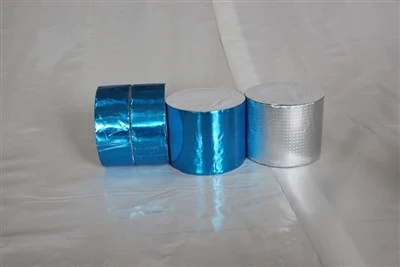
At the end of the day, butyl rubber tape doesn’t lose adhesion over time just because it’s old—it loses it because of what it’s made of, how you use it, and how you take care of it. Good butyl is an incredibly reliable material when used correctly, and it’s saved thousands of people from water damage, energy waste, and repairs. Don’t let the horror stories of cheap, poorly made tape turn you off from a product that’s actually one of the best options for long-term sealing. If you have any questions about our tape, or need help finding the right product for your job, reach out to our team to connect for a discussion on your specific needs.
Butyl Rubber Tape References:
- Satas, D. (Ed.). (1989). Handbook of Pressure-Sensitive Adhesive Tape Technology. Van Nostrand Reinhold.
- ASTM D3182 – Standard Practice for Rubber—Materials, Equipment, and Procedures for Mixing Standard Compounds and Preparing Standard Vulcanized Sheets.
- American Boat and Yacht Council (ABYC) Standard A-25: Adhesives, Sealants, and Deck Hardware for Recreational Boats.
- Wu, Y., et al. (2018). Weathering aging mechanism of butyl rubber sealants under ultraviolet and thermal exposure. Polymer Testing, 69, 212-219.
- Thermal Insulation Contractors Association (TICA) Guidelines for HVAC Duct Sealing.
Jining Xunda Pipe Coating Materials Co., Ltd.
Jining Xunda Pipe Coating Materials Co., Ltd. is one of the most professional butyl rubber tape manufacturers and suppliers in China, featured by quality products and good price. Welcome to buy discount butyl rubber tape in stock here and get pricelist from our factory. Also, customized service and five years warranty are available.
Address: Jibei High-tech Industrial Park, Jining City
E-mail: sales.guo@xundatape.com
WebSite: https://www.xundapipetape.com/
