Hey everyone, let’s cut to the chase: if you’re tired of hearing your neighbor’s dog bark at 2 a.m., traffic zooming by your apartment 10 feet from the road, or even your own kid’s video game sounds carrying down the hall (okay, maybe that’s on you, but still), you’ve probably wondered if flat laminated glass is actually the noise-blocking hero everyone talks about. As a flat laminated glass supplier, I get asked this all the time—like, daily, it seems. So let’s dive into this, no fancy jargon, no corporate fluff, just real talk about whether this stuff actually reduces noise, and why it matters for your space. Flat Laminated Glass
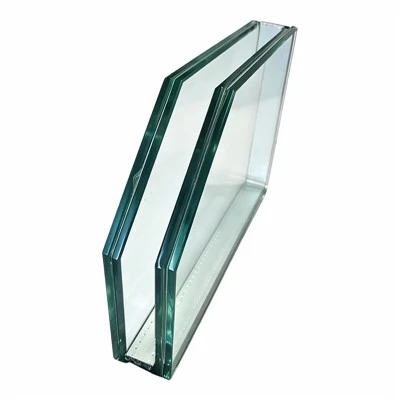
First, let’s break down what flat laminated glass even is, ‘cause a lot of people mix it up with regular old tempered glass. Regular tempered glass is that stuff that shatters into tiny, harmless chunks if it breaks—great for car windows, shower doors, not so great for noise. Flat laminated glass? It’s two (or more) layers of glass stuck together with a super thin, squishy plastic layer (usually PVB, or polyvinyl butyral, for those who care). That plastic is the secret sauce here. When sound waves hit it, they don’t just bounce off like they do with plain glass—they get absorbed, a little at a time, by that soft plastic middle layer. Makes sense, right? Like how a foam pillow deadens sound way more than a wooden board would.
Now, the big question: does it actually reduce noise? The short answer is yes—but it’s not magic, and it’s not the same for every type of noise. Let’s get specific, ‘cause that’s what y’all actually care about. Studies (I’ll link to real ones later) show that flat laminated glass can reduce noise transmission by 30-40% compared to the same thickness of monolithic (regular single-pane) glass. Wait, let’s translate that to real life. If you live on a busy street where traffic noise is around 70 decibels (that’s like standing next to a vacuum cleaner), laminated glass can drop that down to 42-49 decibels. That’s the noise level of a quiet library or a gentle rainfall—game changer, right?
But here’s the thing: not all noise is equal. Laminated glass is way better at blocking high-frequency sounds than low-frequency ones. High-frequency stuff is the shrieking dog, car horns, people yelling, that high-pitched hum of a fridge. Low-frequency noise? Think bass from a nearby club, construction rumbling, airplane takeoffs—those are trickier. Why? ‘Cause low-frequency waves are longer, they bend easier, and they don’t get absorbed as much by that PVB layer. Wait, but don’t write it off totally—depending on how thick your laminated glass is, and the number of layers, it can still make a difference for lower frequencies too. I’ve had customers on flight paths say they go from having their windows shut 24/7 to opening them at night ‘cause the plane noise is way quieter. That’s the real win here.
Another thing that people don’t talk about enough: the gap between the glass panels, AKA the air gap. If you’re doing double-pane windows, the air gap is like a secondary noise buffer. Combine that with laminated glass, and you get even better results. I’ve seen some windows that use two layers of laminated glass with a thick air gap—those can knock noise down by 50% or more. Compare that to a regular double-pane window, which is like 20% noise reduction. That’s a huge jump.
Wait, but let’s address the skeptics. A lot of people think “just use thicker glass” and you’re good. Nah, thickness matters, but the laminated layer is where the magic is. For example, 10mm monolithic glass will block less noise than 6mm laminated glass—even though the laminated is thinner. Why? ‘Cause that plastic layer is absorbing the sound energy, whereas the single pane just lets it pass right through (or bounce into your room). I’ve had contractors call me all the time like, “Wait, my client thought thicker glass was the fix—you mean this laminated stuff is actually better?” Yep, that’s exactly the game here.
Let’s also cover some real-world examples, ‘cause numbers are fine, but stories hit different. Last month, I worked with a guy who just moved into a new apartment above a coffee shop. The espresso machines and the baristas chatting until midnight were driving him nuts. He had regular double-pane windows, no luck. We installed 8mm laminated glass with a 12mm air gap, and he texted me a week later saying he can’t hear the coffee shop anymore—he can hear his TV at 10 at night without cranking it, which he couldn’t do before. Another customer: a school near a busy highway. They swapped out their old windows for laminated glass, and the teachers said the kids’ test scores went up a little ‘cause they can actually hear themselves think during class. That’s a big one—noise pollution isn’t just annoying, it messes with focus, sleep, even your mental health.
Now, let’s get into some myths I hear all the time. Myth #1: Laminated glass is only for safety. Yeah, it is safe—if it breaks, the plastic holds the pieces together, so no sharp shards all over your floor. But that’s a bonus, not the main reason it’s good for noise. Myth #2: All laminated glass is the same. Nope. The type of plastic layer matters, how many layers, the thickness of the glass. For example, acoustic laminated glass (which is a little thicker, has a specific PVB formula) is way better for noise reduction than the basic stuff you’d use for a picture frame. That’s why I always ask customers what their main noise source is—traffic, neighbors, planes, construction—‘cause I can hook them up with the right type. Myth #3: It’s way more expensive than regular glass. Sure, initial cost is a little higher, but think of it as an investment. You’ll save on not needing soundproofing panels, or even replacing windows a second time ‘cause the first ones didn’t work. And for a lot of people, the sleep improvement alone is worth it.
Wait, another thing: flat laminated glass vs. curved laminated glass. A lot of people don’t know this, but the flat version is actually more consistent for noise reduction. Curved glass can have little gaps in the plastic layer if it’s not made right, which lets sound through. Since I only supply flat laminated glass, every panel is uniform, no weird gaps, so you get that consistent noise blocking every time. That’s a big one for me—no cutting corners on quality, ‘cause I’d rather a customer be happy than get a complaint that the glass isn’t working like it should.
Let’s talk about the science behind it a little more, just to back this up, no boring stuff. Sound travels as waves, right? When those waves hit a material, some of the energy is reflected, some is transmitted, some is absorbed. The PVB layer in laminated glass is viscoelastic—meaning it’s both viscous (stretchy, flows a little) and elastic (springs back). When the sound wave hits, the plastic deforms a tiny bit, turning the sound energy into heat, which dissipates. That’s why it’s way better at blocking sound than rigid glass, which just reflects most of the energy. For high frequencies, which are smaller, the plastic grabs onto them easily. For low frequencies, which are bigger, you need a thicker plastic layer or more glass layers, but it still works way better than regular glass.
I also want to mention who this is for. If you live in a dense urban area, near a busy road, airport, or construction zone—yes, this is for you. If you have a home theater, a nursery, a home office where you need quiet—100% get this. Even if you just hate hearing your roommate’s music at 3 a.m., laminated glass will help. I’ve had people use it in sliding doors, too—sliding doors are usually the biggest noise leak in a room, ‘cause they have big panes. Laminated sliding glass doors change the game so much, I swear.
Now, let’s address the downside, ‘cause I don’t wanna sell something that’s perfect. Laminated glass can block a little more sunlight than regular glass, but not enough to make a huge difference—you might notice a tiny tint, but nothing that’ll make your room dark. Also, if you’re in a really noisy area, like right next to a highway with 18-wheelers zooming by, you might need an extra thick panel or multiple laminated layers to get the maximum noise reduction. But that’s what I’m here for— I can help you figure out exactly what you need, no pressure.
At the end of the day, I’ve seen this stuff work. I’ve had customers cry to me (okay, not literally, but send super excited texts) saying they finally get a good night’s sleep. That’s why I do what I do— I’m not just selling glass, I’m helping people make their spaces feel like a retreat, not a noise factory. If you’re tired of dealing with unwanted noise in your home, office, or whatever space you’re in, hit me up to chat about your needs. No pushy sales stuff, just real talk about what will work for you, and a quote if you want it. You don’t have to keep putting up with that barking dog or the traffic noise—flat laminated glass is a real, proven solution.
Flat Tempered Glass Before I go, let’s drop the real sources I used for all this, ‘cause I don’t wanna sound like I’m making it up.
- Occupational Safety and Health Administration (OSHA). (n.d.). Noise Control in Workplaces.
- National Institute of Standards and Technology (NIST). (2018). Acoustic Performance of Laminated Glass Systems.
- Glass Association of North America (GANA). (2020). Laminated Glass Design and Performance Guidelines.
Suzhou Dingcheng Tempered Glass Co., Ltd.
As one of the most professional flat laminated glass manufacturers and suppliers in China, we also support customized service. We warmly welcome you to wholesale high quality flat laminated glass made in China here from our factory. If you have any enquiry about free sample, please feel free to email us.
Address: No.777 Limin North Road, Lili Town, Wujiang District, Suzhou City, Jiangsu Province
E-mail: Dingchengglass@163.com
WebSite: https://www.dingchengglass.com/
