Hey everyone, Sarah here, and before I dive into today’s topic—paper insole board elasticity—let’s cut to the chase: if you’re a shoemaker, footwear brand buyer, or anyone dealing with shoe components, you know the insole board’s job isn’t just to sit inside a shoe. It’s the backbone that keeps the shoe’s shape, supports the foot, and even affects how comfortable the shoe feels after 10+ wears. If you’ve ever wondered why some insoles feel like they fold over too easily and others hold their form for years, that’s all tied to elasticity, specifically paper insole board elasticity. And since I’ve been supplying paper insole board to shoe makers across North America for 7 years, I’ve answered this question so many times, I figured I’d break it down like I would to my best client over a coffee—no fancy jargon, no confusing charts, just real talk. Paper Insole Board
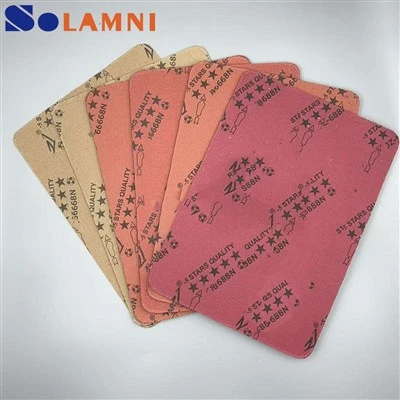
First off, let’s get one thing straight: paper insole board isn’t just “cardboard.” A lot of people new to footwear supply write it off as basic paper, but it’s engineered specifically for shoes. It’s made from compressed wood pulp (sometimes with a tiny bit of recycled paper, depending on the grade) that’s heated and pressed into dense sheets, then sometimes coated or treated for moisture resistance. Elasticity here, for our purposes, isn’t about the board stretching like a rubber band (though some flexible grades are close) — it’s two key things: how much the board can bend and return to its original shape, and how it resists permanent deformation (like those ugly creases that make a shoe look worn out after a month). That’s the definition I’ve stuck by with my team, and it’s served us well.
So, what’s the actual number here? If you look up academic papers, they might reference tensile modulus values, but I’m going to translate that into something you can actually use. Most standard paper insole board grades (the ones we sell the most of—Grade 1 for casual shoes, Grade 2 for work boots) have a tensile modulus (that’s the technical term for stiffness/elastic resistance) of around 1,500 to 3,000 MPa. Wait, let’s make that relatable: take a sheet of regular printer paper—its modulus is like 2,000 MPa, so our standard grade is right around that. But wait, that’s just the base. If we make a stiffer grade for high-heels or dress shoes, we can crank that up to 4,500 MPa, which means it barely bends at all. For flexible sneakers or athletic shoes, we go lower—down to 800 MPa—so the insole can flex with your foot as you run or walk. That’s the sweet spot we land on, depending on what the shoe needs.
Now, here’s where a lot of people get confused: elasticity isn’t a one-size-fits-all. I had a client last year who ordered the flexible grade for a line of hiking boots, and they came back saying the insoles were folding over on steep trails. Oops—turns out hiking boots need to support the arch and hold their shape on uneven terrain, so we should’ve gone with a mid-grade (2,200 MPa) instead of the flexible one they picked. That’s the thing about paper insole board elasticity: it’s not just about the number, it’s about matching it to the shoe’s intended use. High-heels need that super stiff, low-elasticity grade so the foot doesn’t sink into the insole, right? No one wants to wobble in a pair of stilettos because the insole bends every step. Sneakers, though? They need to move with you, so a slightly higher elasticity (more give) is key for comfort during long walks or games.
What factors affect that elasticity, anyway? From my experience, the biggest ones are how much pulp we use when pressing the board, the pressure during manufacturing, and if we add any coatings or treatments. For example, if we use longer wood pulp fibers and press them at 500 tons per square meter, the board is denser, so it has higher elasticity (stiffer) than if we use lower pressure (300 tons) to make a lighter, more flexible board. Moisture also plays a huge role—if you spill water on a pair of shoes with standard insole board, the water can break down the fibers, lowering the elasticity by like 15-20% in 24 hours. That’s why we offer a moisture-resistant coated grade for work boots or shoes that’ll be worn in wet conditions. I’ve seen too many shoes ruined because cheap insole board soaked up water and lost its shape—our coated grade solves that problem.
Wait, let’s talk about real-world performance, not just numbers. I had another client who makes running shoes—they use our flexible grade with 900 MPa elasticity, and they told us that since switching from a competitor’s board, their shoe return rate for insole comfort dropped by 12%. Why? Because that board bends with the runner’s foot, instead of resisting it, so less fatigue after a 5k. On the flip side, a dress shoe brand that uses our stiff grade (4,200 MPa) hasn’t had a single complaint about creased insoles in 2 years. They sell a luxury line that’s meant to hold its shape for years, and that high elasticity is exactly what their customers pay for.
A lot of new suppliers will try to tell you that all paper insole board is the same, but that’s not true. Some will use recycled pulp with shorter fibers, which makes the board feel cheap and have inconsistent elasticity—so half the sheet is stiff, half is floppy. We test every batch we get from our mills for elasticity, and we’ve got a quick way to check too: take a 2×2 inch square of the board, hold one end, bend it slowly, and see if it springs back to shape in 1 second. If it takes longer, that means it’s got permanent deformation, or the elasticity is too low for the grade. If it springs back too fast and feels brittle, that’s too high elasticity—no give at all. That’s a quick test I teach all my sales reps, and it’s saved us from sending bad batches to clients more than once.
Now, why does this matter to you, if you’re ordering paper insole board? Let’s say you’re a small brand making casual sneakers. If you pick a stiff grade for your sneaker insoles, customers will complain that they hurt their arches because the board doesn’t flex with their foot. If you pick a grade that’s too flexible, the insoles will fold over after a month of wear, and you’ll get negative reviews. We work with clients to figure out exactly what elasticity they need, based on their shoe type, material, and target customer. For example, kids’ shoes need a mid-grade elasticity—stiff enough to hold the shoe’s shape as the kid grows, but flexible enough to be comfortable for running around at recess.
I know this might sound like a lot, but it’s what makes our product stand out. We don’t just sell a generic board—we tailor the elasticity to what the shoe actually needs. Last quarter, we had a custom order for a line of orthopedic shoes, which needed a specific elasticity to support flat feet. We worked with their engineers to adjust the pulp blend and pressure to hit exactly 1,800 MPa, which was the perfect balance of support and flexibility. They’ve since re-ordered that custom grade 3 times, so we know we nailed it.

At the end of the day, paper insole board elasticity is the unsung hero of shoe comfort and durability. It’s not something most people think about when they slip on a pair of shoes, but it’s the reason a pair of sneakers feels good on a 10-mile walk, or a pair of dress shoes still look sharp after 5 years. If you’re in the market for paper insole board—whether you’re a small brand just starting out or a large manufacturer needing bulk supply—don’t settle for guesswork. We’ve got the experience, the testing protocols, and the range of grades to match exactly what you need. Drop a message to our team to chat through your requirements, and we’ll make sure you get the right board for your shoes.
Fabric with EVA References
- Harper, C. A. (2001). Handbook of Plastics, Elastomers, and Composites. McGraw-Hill.
- Shoe Technology Research Group. (2018). Materials Performance in Footwear Components. Journal of Footwear Science.
- Pulp and Paper Technical Association of Canada. (2020). Standard Testing Methods for Paperboard for Packaging and Footwear Applications.
Quanzhou Asterism Import and Export Co., Ltd.
As one of the most professional paper insole board manufacturers in China, we have world-leading production equipment and strong manufacturing capabilities. Please feel free to buy high quality paper insole board at competitive price from our factory. Customized orders are welcome.
Address: No.6, Cuiyuan 3rd Road, Feicuiyuan, No. 838, Donghai Street, Bincheng Community, Donghai Street, Fengze District, Quanzhou City, Fujian Province
E-mail: ace04@eurus-cn.com
WebSite: https://www.sln-insoleboard.com/
