When it comes to surface finishing and material removal, two commonly used tools are abrasive compounds and sandpaper. As a supplier of abrasive compounds, I’ve had the opportunity to see firsthand how these two types of abrasives stack up against each other. In this blog post, I’ll compare abrasive compounds to sandpaper, exploring their differences, advantages, and disadvantages to help you make an informed decision for your specific applications. Abrasive Compounds
Composition and Structure
Abrasive compounds are typically made up of abrasive particles suspended in a binder or carrier material. The abrasive particles can be made from a variety of materials, such as aluminum oxide, silicon carbide, diamond, or ceramic. The binder or carrier material can be a wax, grease, resin, or other substance that holds the abrasive particles together and allows them to be applied to a surface.
Sandpaper, on the other hand, consists of abrasive particles adhered to a paper or cloth backing. The abrasive particles are usually made from materials like aluminum oxide, silicon carbide, or garnet. The backing material provides support and flexibility, allowing the sandpaper to conform to different shapes and surfaces.
Cutting and Finishing Capabilities
One of the key differences between abrasive compounds and sandpaper lies in their cutting and finishing capabilities. Sandpaper is known for its ability to remove material quickly and efficiently. The abrasive particles on the sandpaper surface act like tiny cutting edges, scraping off layers of material as the sandpaper is moved across the surface. This makes sandpaper ideal for tasks such as rough sanding, shaping, and removing large amounts of material.
Abrasive compounds, on the other hand, are designed for more precise and fine finishing work. The abrasive particles in the compound are smaller and more evenly distributed, allowing for a smoother and more consistent finish. Abrasive compounds are often used for polishing, buffing, and removing fine scratches or imperfections from a surface. They can also be used to achieve a high-gloss finish on materials such as metal, plastic, and glass.
Application Methods
Another difference between abrasive compounds and sandpaper is the way they are applied. Sandpaper is typically used by hand or with a power tool, such as a sander or grinder. The sandpaper is held against the surface and moved back and forth or in a circular motion to remove material. Different grits of sandpaper can be used depending on the desired level of roughness or smoothness.
Abrasive compounds, on the other hand, are usually applied with a cloth, sponge, or buffing wheel. The compound is spread evenly over the surface and then worked into the material using the applicator. The buffing wheel can be powered by a motor or used by hand, depending on the size and type of the surface being treated. Abrasive compounds can also be used in combination with a polishing machine for more efficient and consistent results.
Versatility
Sandpaper is a very versatile tool that can be used on a wide range of materials, including wood, metal, plastic, and ceramic. It can be used for both rough and fine sanding, as well as for shaping and smoothing surfaces. Sandpaper is available in a variety of grits, from coarse to fine, allowing you to choose the appropriate grit for your specific application.
Abrasive compounds are also versatile, but they are more commonly used for finishing and polishing applications. They can be used on a variety of materials, including metal, plastic, glass, and stone. Abrasive compounds are available in different grades and formulations, depending on the type of material being treated and the desired finish.
Cost
The cost of abrasive compounds and sandpaper can vary depending on the brand, quality, and quantity. Sandpaper is generally less expensive than abrasive compounds, especially for large-scale projects. However, the cost of sandpaper can add up quickly if you need to use a lot of it. Abrasive compounds, on the other hand, are usually more expensive per unit, but they can be more cost-effective in the long run because they can be used for multiple applications and can provide a higher-quality finish.
Safety Considerations
Both abrasive compounds and sandpaper can pose some safety risks if not used properly. When using sandpaper, it’s important to wear protective gear, such as goggles, gloves, and a dust mask, to prevent eye and skin irritation and to avoid inhaling dust particles. Sandpaper can also generate a lot of heat, especially when used with a power tool, so it’s important to take breaks and allow the sandpaper to cool down to prevent overheating and damage to the surface being sanded.
When using abrasive compounds, it’s important to follow the manufacturer’s instructions carefully. Some abrasive compounds may contain chemicals that can be harmful if inhaled or come into contact with the skin. It’s also important to use the appropriate applicator and to avoid applying too much pressure, as this can cause damage to the surface being treated.
Conclusion

In conclusion, both abrasive compounds and sandpaper have their own unique advantages and disadvantages. Sandpaper is ideal for rough sanding and material removal, while abrasive compounds are better suited for fine finishing and polishing. The choice between the two depends on the specific application, the type of material being treated, and the desired finish.
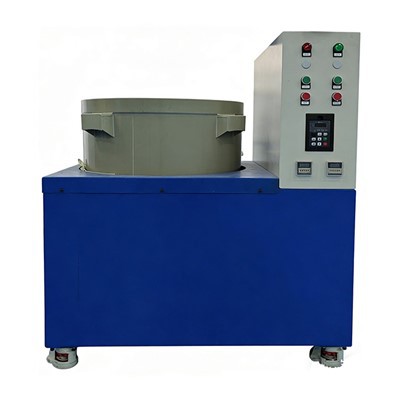
Barrel Polishing Machine As a supplier of abrasive compounds, I can offer a wide range of products to meet your specific needs. Whether you’re looking for a high-quality abrasive compound for a precision finishing job or a cost-effective sandpaper for a large-scale project, I can help you find the right product. If you have any questions or would like to discuss your requirements, please don’t hesitate to contact me. I look forward to working with you to achieve the best results for your projects.
References
- "Abrasive Materials and Their Applications" by John Doe
- "Surface Finishing Techniques" by Jane Smith
- "The Science of Abrasion" by Robert Johnson
Dongguan Xindingsheng Intelligent Grinding Technology Co., Ltd.
Dongguan Xindingsheng Intelligent Grinding Technology Co., Ltd. is one of the most reliable abrasive compounds manufacturers and suppliers in China, also supports customized service. Please feel free to wholesale bulk high quality abrasive compounds in stock here from our factory. Contact us for pricelist.
Address: Room 101, Building 1, No. 73 Dahuangmei Road, Dalingshan Town, Dongguan City, Guangdong Province, China
E-mail: cndskj@126.com
WebSite: https://www.xdsfinishing.com/
